
Understanding how to treat damaged or missing teeth is an important step toward maintaining oral health. According to research, restorative treatments such as crowns and bridges remain among the most commonly recommended procedures for preserving function and preventing further dental issues. Patients today have multiple options, and knowing how crowns and bridges differ can help guide better decisions.
At Bethesda Dental Health, we regularly help patients evaluate whether a crown or bridge is the right solution based on their specific condition, overall dental health, and long-term goals.
What Is a Dental Crown?
A dental crown is a custom-made cap placed over a damaged or weakened tooth. It restores the tooth’s shape, strength, and appearance while protecting it from further damage.
Patients visiting a dentist often receive crowns when a tooth cannot function properly on its own. Crowns are commonly recommended within restorative dentistry for the following reasons:
- To protect a cracked or worn tooth
- To restore a tooth after a root canal
- To cover a large filling
- To improve the appearance of a discolored or misshapen tooth
Crowns can also complement cosmetic dentistry, especially when combined with treatments like teeth whitening for a more uniform smile.
What Is a Dental Bridge?
A dental bridge is used to replace one or more missing teeth by anchoring an artificial tooth between two existing teeth or implants. For patients replacing missing teeth, bridges provide a functional and stable solution.
A bridge typically includes:
- One or more artificial teeth (pontics)
- Adjacent crowns that anchor the bridge
- A fixed structure that remains in place
In many cases, a dentist may recommend a bridge when implants are not immediately suitable. Bridges are also a common part of restorative dentistry, helping restore chewing ability and maintain alignment.
Key Differences Between Crowns and Bridges
Although both are restorative treatments, crowns and bridges serve different purposes. Understanding these differences can help patients make informed choices.
Primary function:
- Crowns restore a single damaged tooth
- Bridges replace one or more missing teeth
Structure:
- Crowns cover an existing tooth
- Bridges span a gap using surrounding teeth for support
Treatment goals:
- Crowns focus on protection and reinforcement
- Bridges focus on tooth replacement and alignment
Both treatments are often discussed alongside alternatives like dental implants, depending on the patient’s needs.
When Is a Crown the Right Choice?
A crown is often recommended when a tooth is still present but structurally compromised. Patients working with a dentist in Chevy Chase, MD may benefit from crowns in cases involving:
- Severe decay that cannot be filled
- Cracks or fractures
- Worn enamel from grinding
- Cosmetic improvements
In situations involving grinding, combining crowns with teeth grinding treatment can prevent further damage and extend the life of the restoration.
When Is a Bridge the Better Option?
A bridge becomes the preferred option when one or more teeth are missing. Patients considering replacing missing teeth may be advised to choose a bridge if:
- Adjacent teeth are strong enough to support it
- A fixed solution is preferred over removable options
- Implants are not immediately feasible
Bridges are often part of a broader treatment plan that may include tooth extractions or preparation work following deep teeth cleaning.
Comparing Crowns, Bridges, and Implants
Modern dentistry offers multiple solutions, and understanding how they compare is helpful.
Crowns:
- Best for restoring existing teeth
- Preserve natural tooth structure
Bridges:
- Replace missing teeth using adjacent support
- Faster process than implants
Implants:
- Standalone replacement anchored in bone
- Long-term durability
A dentist may evaluate all three options before recommending the most suitable approach.

The Role of Preventive and Emergency Care
Restorative treatments such as crowns and bridges are most successful when they are built on a healthy oral foundation. Clinical studies show that untreated gum disease and decay significantly reduce the lifespan of restorations, making preventive care a necessary step before proceeding.
For example, deep teeth cleaning —also known as scaling and root planing—is often recommended when there are signs of periodontal disease. Addressing this condition before placing crowns or bridges helps:
- Reduce inflammation and bacterial load
- Improve gum attachment around teeth
- Support long-term stability of restorations
- Lower the risk of future complications
By addressing both preventive and urgent concerns early, dental professionals create the right conditions for durable and predictable restorative outcomes.
Enhancing Results with Cosmetic Treatments
While crowns and bridges primarily restore function, many patients also consider the visual outcome of their treatment. Modern dentistry often combines restorative care with aesthetic procedures to achieve a more natural and balanced appearance.
For instance, patients receiving crowns may also opt for teeth whitening before placement. Since crowns are color-matched to surrounding teeth, whitening beforehand allows for a brighter and more uniform result.
By aligning restorative goals with cosmetic improvements, patients achieve outcomes that support both oral health and confidence over time.
Choosing the Right Solution for Your Smile
Understanding how to treat damaged or missing teeth is an important step toward maintaining oral health. According to research, restorative treatments such as crowns and bridges remain among the most commonly recommended procedures for preserving function and preventing further dental issues. Patients today have multiple options, and knowing how crowns and bridges differ can help guide better decisions.
At Bethesda Dental Health, we regularly help patients evaluate whether a crown or bridge is the right solution based on their specific condition, overall dental health, and long-term goals.
What Is a Dental Crown?
A dental crown is a custom-made cap placed over a damaged or weakened tooth. It restores the tooth’s shape, strength, and appearance while protecting it from further damage.
Patients visiting a dentist often receive crowns when a tooth cannot function properly on its own. Crowns are commonly recommended within restorative dentistry for the following reasons:
- To protect a cracked or worn tooth
- To restore a tooth after a root canal
- To cover a large filling
- To improve the appearance of a discolored or misshapen tooth
Crowns can also complement cosmetic dentistry, especially when combined with treatments like teeth whitening for a more uniform smile.
What Is a Dental Bridge?
A dental bridge is used to replace one or more missing teeth by anchoring an artificial tooth between two existing teeth or implants. For patients replacing missing teeth, bridges provide a functional and stable solution.
A bridge typically includes:
- One or more artificial teeth (pontics)
- Adjacent crowns that anchor the bridge
- A fixed structure that remains in place
In many cases, a dentist may recommend a bridge when implants are not immediately suitable. Bridges are also a common part of restorative dentistry, helping restore chewing ability and maintain alignment.

https://images.pexels.com/photos/12712256/pexels-photo-12712256.jpeg

Image File Name: dental-crown-bridge-tooth-restoration.
Alt Text: Illustration showing a dental crown and bridge.
Caption: Visual representation of crowns and bridges highlighting how restorative dentistry helps rebuild function and appearance after tooth damage or loss.
Key Differences Between Crowns and Bridges
Although both are restorative treatments, crowns and bridges serve different purposes. Understanding these differences can help patients make informed choices.
Primary function:
- Crowns restore a single damaged tooth
- Bridges replace one or more missing teeth
Structure:
- Crowns cover an existing tooth
- Bridges span a gap using surrounding teeth for support
Treatment goals:
- Crowns focus on protection and reinforcement
- Bridges focus on tooth replacement and alignment
Both treatments are often discussed alongside alternatives like dental implants, depending on the patient’s needs.
When Is a Crown the Right Choice?
A crown is often recommended when a tooth is still present but structurally compromised. Patients working with a dentist in Chevy Chase, MD may benefit from crowns in cases involving:
- Severe decay that cannot be filled
- Cracks or fractures
- Worn enamel from grinding
- Cosmetic improvements
In situations involving grinding, combining crowns with teeth grinding treatment can prevent further damage and extend the life of the restoration.
When Is a Bridge the Better Option?
A bridge becomes the preferred option when one or more teeth are missing. Patients considering replacing missing teeth may be advised to choose a bridge if:
- Adjacent teeth are strong enough to support it
- A fixed solution is preferred over removable options
- Implants are not immediately feasible
Bridges are often part of a broader treatment plan that may include tooth extractions or preparation work following deep teeth cleaning.
Comparing Crowns, Bridges, and Implants
Modern dentistry offers multiple solutions, and understanding how they compare is helpful.
Crowns:
- Best for restoring existing teeth
- Preserve natural tooth structure
Bridges:
- Replace missing teeth using adjacent support
- Faster process than implants
Implants:
- Standalone replacement anchored in bone
- Long-term durability
A dentist may evaluate all three options before recommending the most suitable approach.

Image File Name: dentist-oral-health-examination-patient.
Alt Text: A dentist carefully examining a patient’s oral health condition
Caption: A detailed check-up by a dentist in Somerset, NJ supports early detection of issues.
The Role of Preventive and Emergency Care
Restorative treatments such as crowns and bridges are most successful when they are built on a healthy oral foundation. Clinical studies show that untreated gum disease and decay significantly reduce the lifespan of restorations, making preventive care a necessary step before proceeding.
For example, deep teeth cleaning —also known as scaling and root planing—is often recommended when there are signs of periodontal disease. Addressing this condition before placing crowns or bridges helps:
- Reduce inflammation and bacterial load
- Improve gum attachment around teeth
- Support long-term stability of restorations
- Lower the risk of future complications
By addressing both preventive and urgent concerns early, dental professionals create the right conditions for durable and predictable restorative outcomes.
Enhancing Results with Cosmetic Treatments
While crowns and bridges primarily restore function, many patients also consider the visual outcome of their treatment. Modern dentistry often combines restorative care with aesthetic procedures to achieve a more natural and balanced appearance.
For instance, patients receiving crowns may also opt for teeth whitening before placement. Since crowns are color-matched to surrounding teeth, whitening beforehand allows for a brighter and more uniform result.
By aligning restorative goals with cosmetic improvements, patients achieve outcomes that support both oral health and confidence over time.

https://images.pexels.com/photos/4269944/pexels-photo-4269944.jpeg

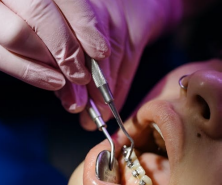
Image File Name: dental-restoration-procedure-crowns-bridges.
Alt Text: Dentist performing a restorative dental procedure on a patient
Caption: Restorative procedure demonstrating how crowns and bridges are placed by a dentist to restore strength, function, and long-term dental stability.
Choosing the Right Solution for Your Smile
Crowns and bridges are both reliable solutions for restoring oral health, but they serve different purposes. While crowns protect and strengthen existing teeth, bridges replace missing ones and restore function. The right choice depends on your dental condition, long-term goals, and overall oral health.
At Bethesda Dental Health, we provide personalized evaluations to determine the most appropriate treatment for every patient. Whether you need support with crowns and bridges or a complete restorative plan, our team is here to guide you. If you’re considering treatment or want to understand your options better, contact us today to schedule your consultation.
are both reliable solutions for restoring oral health, but they serve different purposes. While crowns protect and strengthen existing teeth, bridges replace missing ones and restore function. The right choice depends on your dental condition, long-term goals, and overall oral health.
At Bethesda Dental Health, we provide personalized evaluations to determine the most appropriate treatment for every patient. Whether you need support with crowns and bridges or a complete restorative plan, our team is here to guide you. If you’re considering treatment or want to understand your options better, contact us today to schedule your consultation.