
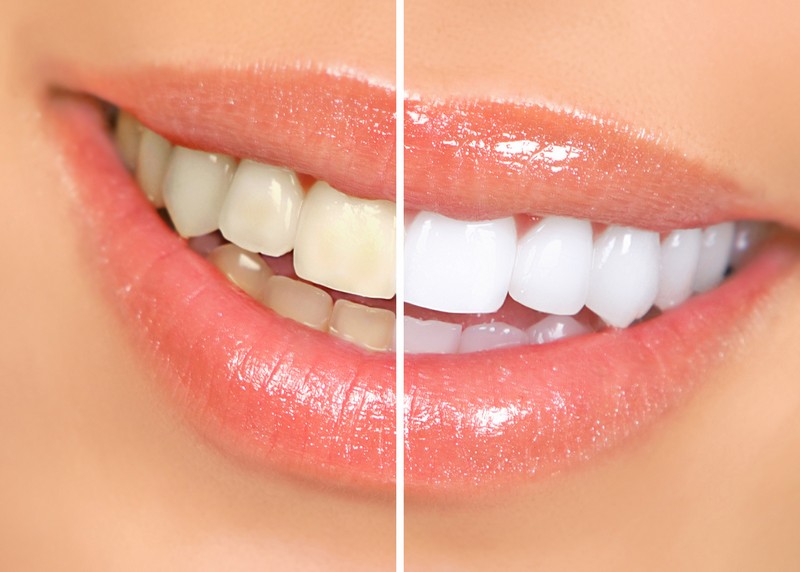
Brighten and Protect: With Teeth Whitening and Deep Cleaning in Bethesda
A bright smile often reflects confidence, health, and strong first impressions. At Bethesda Dental Health, we combine professional teeth whitening with deep teeth cleaning to remove surface stains, reduce discoloration, and address the underlying causes that make teeth more susceptible to staining.
Unlike over-the-counter options, professional teeth whitening is safer, faster, and tailored to your enamel and oral health needs.
Deep cleanings—also called periodontal debridement or scaling and root planing when indicated—go further than a routine prophylaxis to remove hardened plaque (calculus) below the gumline and reduce inflammation.
Our approach focuses on both cosmetic results and oral health, ensuring patients achieve visible improvements without compromising enamel or gum integrity.
What Causes Tooth Discoloration
Tooth discoloration develops for several reasons, often progressing gradually over time. Common causes include:
- Dietary factors such as coffee, tea, red wine, and dark-colored foods
- Tobacco use, which creates deep, persistent stains
- Aging, as enamel naturally thins and reveals darker dentin
- Plaque and tartar buildup, which traps stains on tooth surfaces
- Certain medications and medical conditions
While over-the-counter whitening products may lighten mild surface stains, they cannot address buildup beneath the gumline or correct discoloration caused by plaque and tartar accumulation.
What Is Professional Teeth Whitening?
Professional teeth whitening uses dental-grade bleaching agents (typically peroxide-based) applied under supervision to lift stains from enamel and dentin. Options include in-office whitening for dramatic, immediate results, and custom take-home trays for gradual, controlled brightening. Your dentist evaluates shade, enamel thickness, existing restorations, and sensitivity history to choose the safest, most effective approach.
Why Deep Teeth Cleaning Matters Before Whitening
A deep teeth cleaning targets bacteria and calculus that collect beneath the gumline—areas a regular cleaning can’t always reach. For patients with gingival inflammation or early periodontal disease, scaling and root planing remove irritants from tooth roots and smooth the root surface to discourage bacterial reattachment. This reduces pocket depth, promotes gum reattachment, and improves long-term oral health.
Who Benefits from Combined Treatment?
Patients who want a whiter smile and healthier gums are ideal candidates for combined therapy. Situations that commonly call for both services include:
- Visible tooth staining plus gum inflammation
- Patients returning after a long lapse in dental care
- Smokers or heavy coffee/tea drinkers with plaque buildup
- People preparing for cosmetic treatments (veneers, bonding) who first need a healthy foundation
Your dentist will assess whether to perform deep cleaning before whitening—treating gum disease first improves whitening outcomes and reduces sensitivity risk.
The Treatment Process — Step by Step
- Comprehensive exam: Digital X-rays and gum assessment to map pockets and identify restorations that won’t bleach (crowns, veneers).
- Hygiene phase: Routine cleaning or deep scaling/root planing as required to restore gum health. This reduces bacteria and creates an even surface for bleaching.
- Whitening consultation: Shade evaluation and discussion of in-office versus take-home options.
- Whitening treatment: In-office sessions typically last 45–90 minutes; custom trays usually require several nightly applications over 1–2 weeks.
- Post-treatment care: Fluoride or desensitizing gel, and instructions to minimize staining foods/drinks for the first 48–72 hours.
How Long Do Teeth Whitening Results Last?
Results vary based on lifestyle habits and oral hygiene practices.
Factors That Affect Longevity
- Coffee, tea, or wine consumption
- Smoking or tobacco use
- Brushing and flossing consistency
- Regular dental cleanings
With proper care, whitening results can last six months to two years.
Maintenance: Keep That Smile Bright
Protecting your investment in teeth whitening requires simple daily habits.
Post-Whitening Care Tips
- Brush twice daily with non-abrasive toothpaste
- Floss daily to prevent plaque buildup
- Limit stain-causing foods and beverages
- Schedule routine dental cleanings
- Use whitening touch-ups if recommended
Deep teeth cleaning remains an essential part of long-term smile maintenance.
Is Teeth Whitening Safe for Everyone?
Professional whitening is safe for most adults, but certain conditions require evaluation.
Whitening May Be Delayed If You Have
- Active gum disease
- Untreated cavities
- Excessive tooth sensitivity
- Dental restorations on front teeth
A personalized consultation ensures the safest and most effective treatment plan.
Why Choose Bethesda Dental Health?
- Personalized plans: We create tailored protocols based on enamel health, gum status, and cosmetic goals.
- Advanced hygiene care: Experienced hygienists deliver gentle but thorough cleanings and periodontal therapy.
- Comfort and safety: We prioritize patient comfort, managing sensitivity and monitoring oral health through every step.
- Comprehensive approach: Cosmetic improvements are only recommended when dental health is optimized—ensuring beautiful and lasting results.
Schedule a Consultation Now
Whitening works best on extrinsic stains (coffee, tea, tobacco) and some intrinsic discoloration. Restorative materials such as crowns or veneers won’t change color with bleaching, so timing and sequencing treatments are important. Deep cleaning improves gum health and appearance, but significant gum recession may require additional periodontal care.
If you’re ready for a brighter, healthier smile in Bethesda, our team at Bethesda Dental Health can assess your needs and design a safe, effective plan. Combining teeth whitening with targeted deep teeth cleaning often produces the aesthetic and health benefits patients want—without compromising comfort or long-term care.
Frequently Asked Questions (FAQs) For Professional Teeth Whitening and Deep Teeth Cleaning
How long does professional teeth whitening last?
Results vary by habits and maintenance, but many patients enjoy several months to a few years of enhanced whiteness. Touch-up treatments—either at home or in-office—help maintain shade.
Is deep teeth cleaning painful?
Deep cleaning is usually performed with local anesthesia when necessary and is generally well tolerated. Some soreness or mild sensitivity may occur afterward and typically resolves within a few days.
Can I get my teeth whitened if I have gum disease?
No—whitening should be delayed until gum disease is under control. Treating inflammation first (with deep cleaning) protects tissue and improves whitening outcomes.
Will whitening affect crowns, veneers, or fillings?
No. Restorations do not respond to bleaching. If you have visible restorations, your dentist can coordinate whitening and restoration replacement or color-matching after whitening.
How soon can I eat or drink staining foods after whitening?
Avoid highly pigmented foods and drinks (coffee, red wine, berries, soy sauce) for at least 48 hours after treatment to minimize re-staining. Using a straw and rinsing with water can help reduce contact.