
Coffee is one of the most widely consumed beverages globally, with studies indicating that over 60% of adults drink coffee daily. While its stimulating effects are well known, its impact on dental aesthetics is often underestimated. Regular coffee consumption is a leading cause of tooth discoloration due to its high chromogen content—pigmented compounds that adhere to enamel. In clinical settings, patients frequently ask whether professional whitening can reverse years of staining, especially when over-the-counter products have delivered limited results.
Dental practices in Bethesda report that coffee stains are among the most common concerns addressed through whitening procedures.
Understanding Tooth Discoloration: External vs. Internal Stains
To evaluate whitening outcomes, it is necessary to distinguish between two primary types of staining:
External (Extrinsic) Stains
These occur on the outer enamel surface and are typically caused by:
- Coffee, tea, and red wine
- Tobacco use
- Poor oral hygiene
Extrinsic stains are generally more responsive to whitening treatments because they reside on the enamel surface.
Internal (Intrinsic) Stains
These develop within the tooth structure and may result from:
- Aging and طبیعی enamel thinning
- Certain medications (e.g., tetracycline)
- Trauma to the tooth
- Excessive fluoride exposure during development
Intrinsic stains are more resistant and often require advanced interventions beyond standard whitening.
Patients visiting for general dentistry consultations are often assessed for both stain types before any treatment is recommended.
Why Coffee Causes Persistent Staining
Coffee contains tannins and acidic compounds that contribute to discoloration and enamel roughness.
Mechanism of Staining
- Tannins increase pigment adherence to enamel
- Acidic pH softens enamel, making it more porous
- Repeated exposure allows stains to accumulate over time
Daily coffee drinkers experience a compounding effect, where stains become more embedded and less responsive to mild whitening agents.

The Science Behind Professional Whitening
Professional whitening treatments use higher concentrations of bleaching agents, typically hydrogen peroxide or carbamide peroxide, compared to store-bought products.
How It Works
- Peroxide penetrates enamel and reaches the dentin layer
- Oxidation breaks down pigmented molecules
- Teeth appear lighter as stain compounds are chemically altered
Clinical Advantages
- Faster and more noticeable results
- Controlled application reduces uneven whitening
- Customization based on stain severity and tooth sensitivity
Procedures performed under cosmetic dentistry services often include in-office whitening or dentist-supervised take-home kits.
Why Store-Bought Strips Often Fall Short
Over-the-counter whitening strips are widely used but have limitations, particularly for habitual coffee drinkers.
Common Limitations
- Lower peroxide concentration limits penetration depth
- One-size-fits-all design leads to uneven coverage
- Short application time reduces overall impact
- Minimal effect on intrinsic stains
Additionally, frequent use without professional guidance may increase tooth sensitivity without delivering significant improvement.
Patients seeking teeth grinding treatment sometimes report enamel wear, which can further complicate whitening outcomes when using unsupervised products.
Factors That Influence Whitening Success
Not all patients achieve the same results with professional whitening. Outcomes depend on several variables:
Patient-Specific Factors
- Severity and duration of staining
- Natural tooth color and translucency
- Presence of restorations (crowns, veneers)
- Enamel thickness
Lifestyle Considerations
- Frequency of coffee consumption
- Smoking habits
- Oral hygiene practices
Dental Health Status
- Existing enamel damage
- Gum health
- Bite alignment issues
A consultation within general dentistry in Bethesda allows for a comprehensive evaluation before initiating treatment.
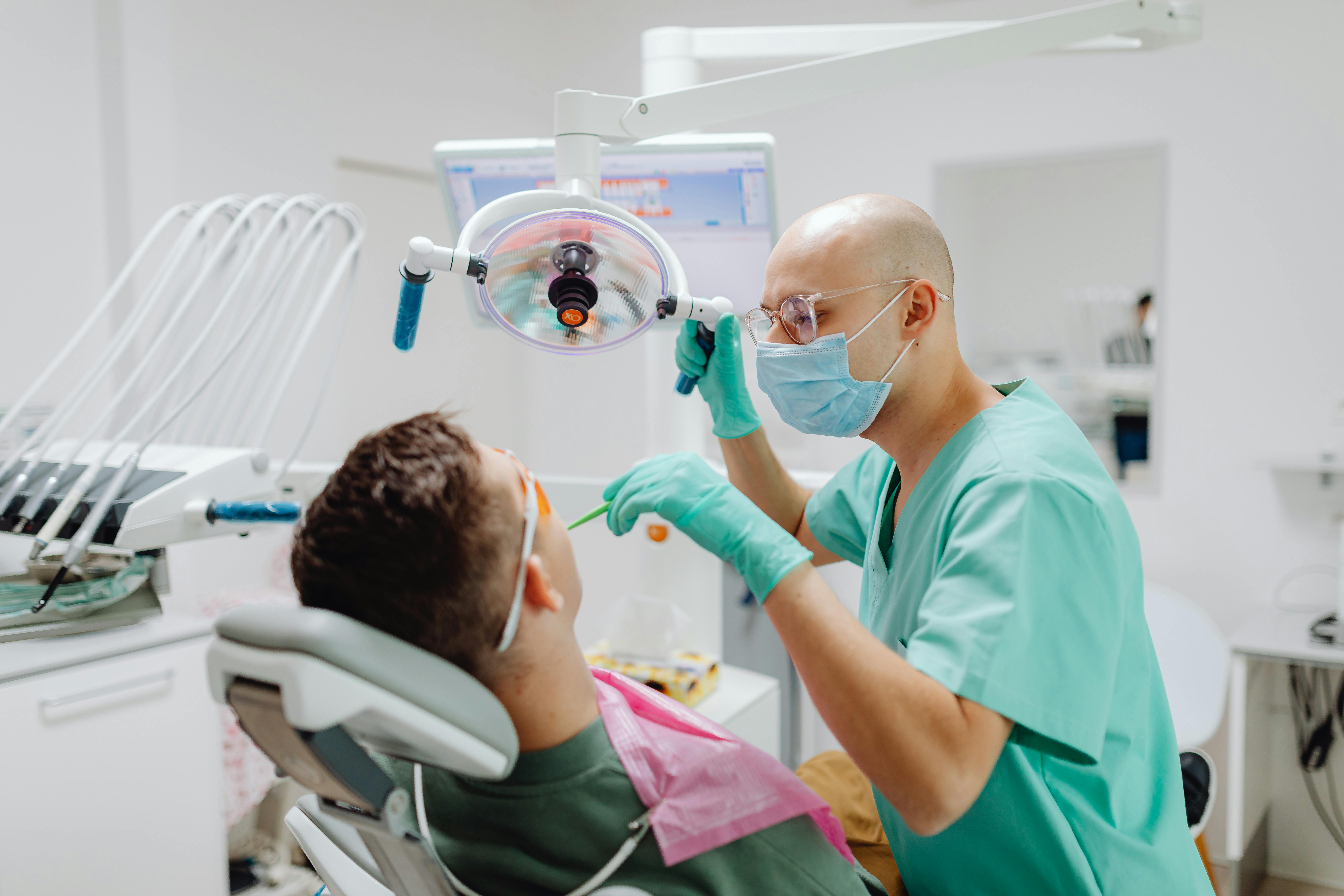
The Impact of Enamel Integrity on Whitening Outcomes
The condition of tooth enamel significantly influences how well whitening treatments perform. Enamel is semi-translucent, meaning its thickness and surface quality determine how light reflects off the tooth.
How Enamel Condition Affects Results
- Worn enamel: Thinner enamel exposes more of the underlying dentin, which is naturally yellow, limiting whitening potential
- Rough surfaces: Microscopic irregularities allow stains to adhere more easily and resist removal
- Cracks or microfractures: These can trap pigments, making discoloration more persistent
Patients undergoing teeth grinding treatment often present with enamel wear due to bruxism, which may reduce the uniformity of whitening results.
Clinical Considerations
- Dentists may recommend remineralization treatments before whitening
- Polishing procedures can smooth enamel surfaces for better stain removal
- In some cases, restorative options within cosmetic dentistry are suggested to achieve consistent coloration
Understanding enamel health allows clinicians to set realistic expectations and select the most appropriate whitening strategy.
Managing Sensitivity and Post-Treatment Care
Tooth sensitivity is a common side effect of whitening procedures, particularly in patients with exposed dentin or enamel erosion.
Strategies to Minimize Sensitivity
- Use of desensitizing agents before and after treatment
- Adjusted peroxide concentrations
- Spacing out whitening sessions
Post-Whitening Maintenance
- Avoid staining foods and beverages for 24–48 hours
- Use a straw when consuming coffee
- Maintain regular brushing and flossing
Long-term maintenance may also include periodic touch-up treatments under professional supervision.
When Whitening Alone Is Not Enough
In cases where intrinsic staining or structural damage is present, additional procedures may be recommended.
Alternative Options
- Veneers to mask deep discoloration
- Bonding to restore surface appearance
- Crowns for severely compromised teeth
Patients with missing or heavily damaged teeth may require replacement of missing teeth solutions to achieve both functional and aesthetic outcomes.
The Role of Preventive Dentistry
Preventing future staining is as important as treating existing discoloration.
Preventive Measures
- Rinse mouth after consuming coffee
- Use whitening toothpaste with mild abrasives
- Schedule regular dental cleanings
- Limit prolonged exposure to staining agents
Patients undergoing care with a night guard dentist may also benefit from enamel protection if grinding contributes to surface wear and stain retention.

Making an Informed Decision About Whitening
Professional whitening offers a clinically supported method for reducing coffee-related stains, particularly when external discoloration is the primary concern. However, treatment success depends on accurate diagnosis, appropriate technique, and ongoing maintenance.
If you are dissatisfied with store-bought products or concerned about persistent staining, consult Bethesda Dental Health today. Contact us now to schedule a consultation to determine the most suitable whitening solution based on your dental profile and lifestyle habits.