
Gum disease is one of the most common chronic conditions affecting adults in the United States. According to the Centers for Disease Control and Prevention (CDC), nearly 47% of adults over 30 have some form of periodontal disease. Among adults aged 65 and older, that number rises to more than 70%. Left untreated, gum disease can progress from gingivitis to periodontitis, leading to gum recession, bone deterioration, and eventual tooth loss.
If you’ve been diagnosed with gum disease, a routine cleaning is no longer sufficient. Scaling and root planning is a non-surgical periodontal procedure designed to remove plaque and tartar below the gum line, halt bacterial progression, and reduce the risk of bone loss. At a trusted dental clinic in Bethesda, this treatment is often the first line of defense against advancing periodontal damage.
Understanding Gum Disease and Why Standard Cleanings Are Not Enough
Gum disease begins when bacterial plaque accumulates along and beneath the gum line. When plaque hardens into calculus (tartar), it cannot be removed with regular brushing. Over time, this buildup triggers inflammation, bleeding gums, and pocket formation between teeth and gum tissue.
Standard dental cleaning addresses:
- Plaque and tartar above the gum line
- Mild gingival inflammation
- Surface polishing
However, once periodontal pockets measure greater than 4 millimeters, bacteria begin to colonize deeper tissues. At this stage, scaling and root planning become necessary.
Patients visiting a dentist in Bethesda for evaluation may notice symptoms such as:
- Persistent bad breath
- Bleeding during brushing
- Gum recession
- Loose teeth
- Sensitivity due to exposed roots
When diagnosed early, treatment can prevent progression toward advanced periodontal disease and reduce the likelihood of requiring more invasive interventions like tooth extractions practices sometimes performed in severe cases.

What Is Scaling and Root Planning?
Scaling and root planning is a deep cleaning procedure that targets infection beneath the gum line. It is typically performed under local anesthesia to maintain patient comfort.
The treatment involves two primary phases:
-
Scaling
During scaling, the dental professional removes:
- Hardened tartar deposits
- Bacterial plaque
- Biofilm from below the gum line
- Toxins embedded along root surfaces
Specialized ultrasonic instruments and hand scalers are used to reach periodontal pockets inaccessible during routine cleanings.
-
Root Planning
Root planning smooths the tooth root surfaces. This serves two purposes:
- Reduces bacterial adherence
- Promotes reattachment of gum tissue to the tooth
Smoother roots discourage further bacterial accumulation and allow inflamed tissues to heal more predictably.
At practices offering deep teeth cleaning in Bethesda, residents trust that the procedure is often completed in multiple visits, depending on the severity of periodontal involvement.
What to Expect During and After the Procedure
When you visit a dentist for. scaling and root planning, the appointment typically includes:
- Comprehensive periodontal charting
- Digital radiographs to evaluate bone levels
- Local anesthetic administration
- Sectional cleaning of affected quadrants
Aftercare Instructions
Following treatment, mild tenderness and sensitivity are common. Your dental provider may recommend:
- Soft brushing techniques
- Antimicrobial mouth rinses
- Avoiding hard or sticky foods temporarily
- Follow-up periodontal maintenance visits every 3–4 months
Ongoing maintenance is critical. Without consistent care, bacteria can recolonize pockets, reversing progress.
Patients who undergo general dentistry appointments regularly often experience earlier detection of periodontal concerns, reducing the need for extensive treatment.
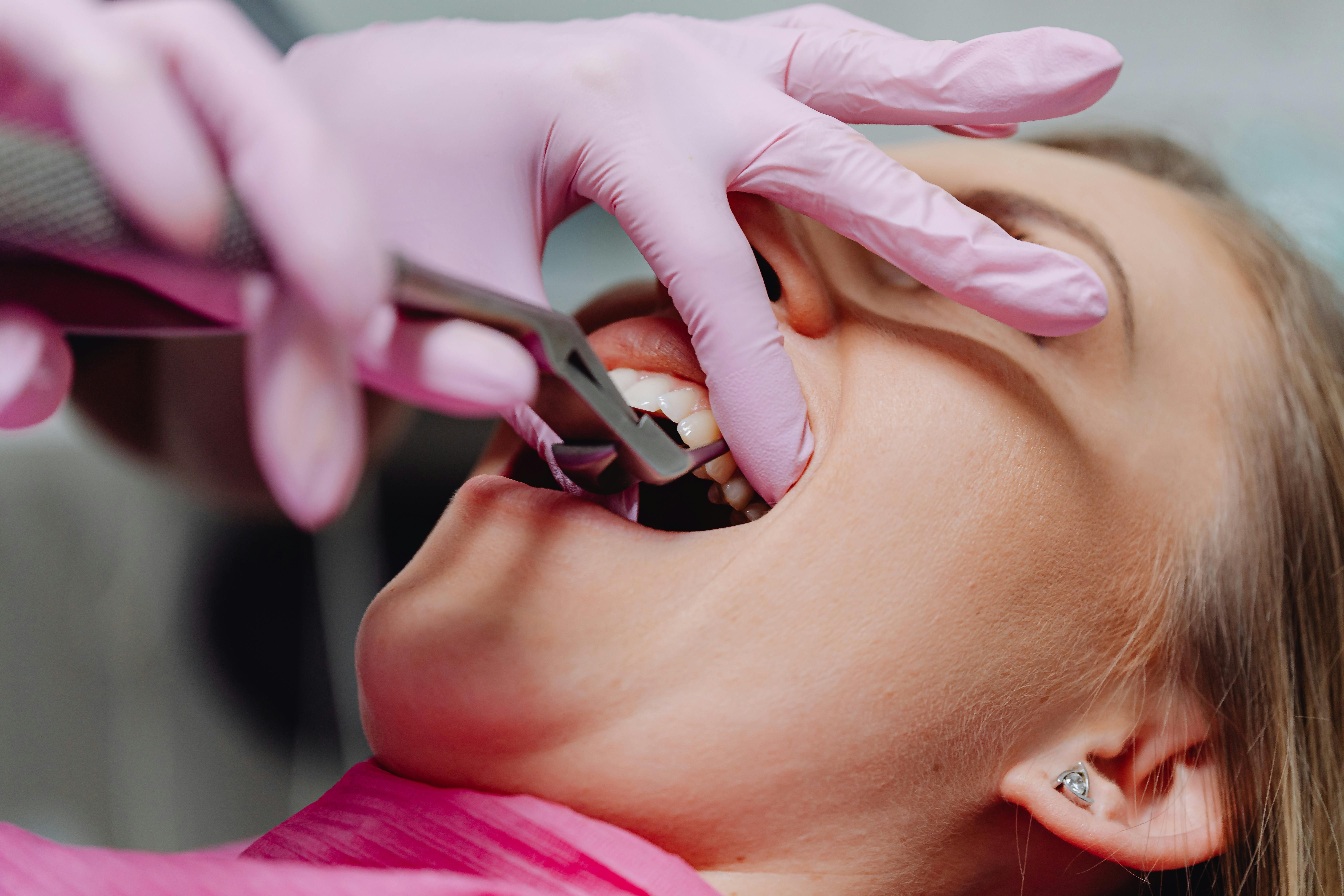
Who Is a Candidate for Scaling and Root Planing?
This procedure is generally recommended for patients with:
- Periodontal pocket depths over 4 mm
- Radiographic evidence of bone loss
- Chronic gingival inflammation
- History of inconsistent dental visits
Individuals managing systemic conditions such as diabetes should be especially attentive. Research shows a bidirectional relationship between periodontal disease and glycemic control.
If infection progresses beyond non-surgical therapy, additional interventions—ranging from flap surgery to restorative procedures like dental implants can become necessary. Preventive action minimizes this risk.
The Importance of Ongoing Periodontal Maintenance
Treatment does not end after scaling and root planning. Maintenance therapy plays a central role in long-term stability.
Periodontal maintenance visits include:
- Pocket reassessment
- Removal of new subgingival deposits
- Monitoring gum attachment levels
- Reinforcement of oral hygiene techniques
For patients considering cosmetic procedures such as teeth whitening or orthodontic care with an Invisalign dentist, gum health must be stabilized first.
Active periodontal infection can compromise aesthetic outcomes.
Why Professional Evaluation Matters
Gum disease often progresses without significant pain, which delays diagnosis. A qualified dentist in Bethesda can identify early warning signs during routine examinations.
Warning indicators include:
- Deep periodontal pockets
- Bleeding on probing
- Gum recession
- Radiographic bone loss
Patients experiencing acute symptoms such as swelling or severe discomfort may require immediate attention from an emergency dentist before proceeding with deep cleaning.
Timely diagnosis reduces complications and supports predictable outcomes.

Protecting Your Oral Health with Early Intervention
Gum disease is progressive but manageable when addressed promptly. Scaling and root planning remove infection beneath the gum line, reduce inflammation, and help prevent further bone deterioration. For patients diagnosed with periodontal disease, this non-surgical therapy provides a structured approach to stabilizing oral health before more invasive procedures become necessary.
At Bethesda Dental Health, we provide comprehensive dental services and advanced deep teeth cleaning that rely on for long-term gum stability. If you’ve been told you need scaling and root planning, or if you’re noticing symptoms of gum disease, our experienced team is ready to help. Contact us now and take the first step toward restoring your gum health with professional care you can trust.