
Dental emergencies are more common than many people realize. According to the Centers for Disease Control and Prevention, millions of Americans visit emergency rooms each year for dental-related pain and infections, many of which could have been treated earlier in a dental office. Untreated oral infections may spread into the jaw, face, and bloodstream, creating serious health complications beyond tooth damage alone.
One of the biggest problems is that people often wait too long before seeking professional care. Mild discomfort can quickly turn into swelling, infection, cracked teeth, or permanent tooth loss. Recognizing the signs to call an emergency dentist early can reduce treatment costs, shorten recovery time, and help preserve natural teeth.
Whether you need urgent treatment from experienced dentists in Bethesda, emergency repairs, or advanced general dentistry, understanding which symptoms require immediate attention can help you make faster and safer decisions for your oral health.
Severe Tooth Pain That Does Not Go Away
Temporary sensitivity after cold drinks or sweets is common. Persistent or intense pain is different.
You should contact an emergency dentist if you experience:
- Sharp throbbing pain lasting several hours
- Pain that worsens while chewing
- Swelling around the gums or jaw
- Difficulty sleeping because of tooth discomfort
- Pain radiating toward the ear or neck
These symptoms may indicate:
- Tooth infection
- Advanced decay
- Cracked tooth roots
- Abscess formation
A professional at a Bethesda dental clinic can determine whether you need root canal treatment, dental fillings, or emergency extraction procedures.
Swelling in the Face or Gums
Facial swelling should never be ignored. Gum infections can spread quickly into the surrounding tissue.
Signs requiring immediate attention include:
- Swollen cheeks or jawline
- Gum bumps filled with pus
- Fever combined with dental pain
- Trouble swallowing
- Difficulty opening the mouth fully
In difficult situations, patients may require emergency procedures alongside restorative dentistry to repair damaged teeth after infection control.
When a Dental Infection Starts Affecting Your Overall Health
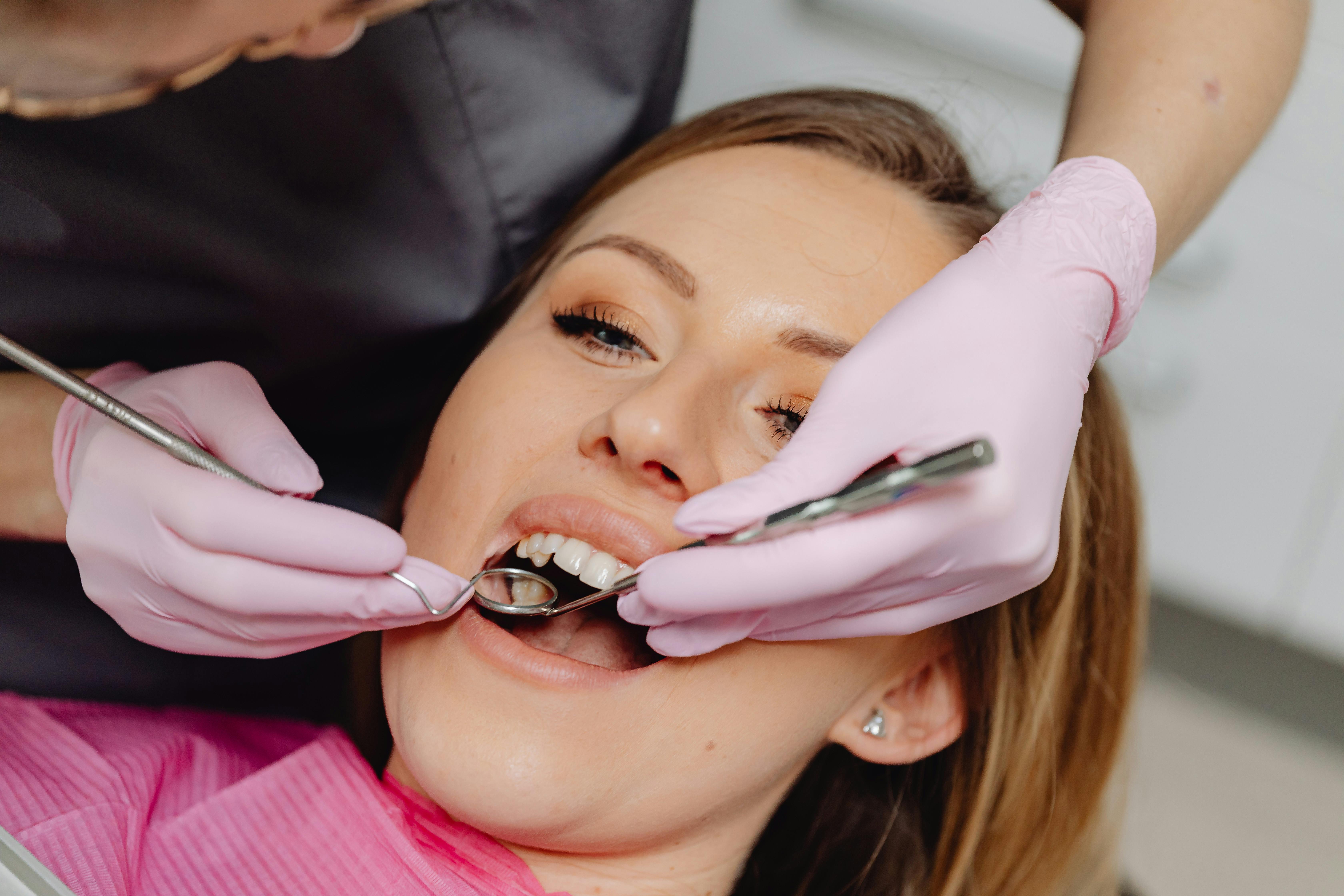
Dental infections do not always remain limited to the mouth. Once bacteria spread beyond the gums or tooth roots, symptoms can affect the entire body. This is one reason many professionals in general dentistry recommend immediate treatment for persistent infections and swelling.
Warning signs may include:
- Fever combined with tooth pain
- Fatigue or body aches
- Swollen lymph nodes under the jaw
- Bad taste in the mouth from draining infection
- Difficulty swallowing or breathing
Ignoring these symptoms can increase the likelihood of hospitalization and more invasive procedures later. A skilled dentist may recommend emergency drainage, antibiotics, or restorative treatment depending on the severity of the infection.
A Knocked-Out or Broken Tooth
A knocked-out tooth becomes a race against time. Dentists generally have the best chance of saving the tooth within one hour of injury.
Common causes include:
- Sports injuries
- Falls
- Car accidents
- Biting hard objects
If this happens:
- Pick the tooth up by the crown only
- Rinse lightly without scrubbing
- Store it in milk or saliva
- Contact a same-day dental careprovider immediately
Broken teeth may also expose nerves, causing severe pain and infection risks. Treatment may involve crowns and bridges or dental implants when the tooth cannot be saved.
Bleeding That Will Not Stop
Minor gum bleeding during flossing can happen occasionally. Continuous bleeding is another matter entirely.
Call a dentist right away if:
- Bleeding continues after dental trauma
- Blood loss lasts more than 15 minutes
- Gums bleed heavily without obvious injury
- Bleeding follows oral surgery complications
This may signal gum disease, injury, or problems requiring urgent periodontal services.
Sudden Tooth Sensitivity Combined With Pain
Sensitivity becomes more concerning when paired with sharp pain or visible damage.
Possible causes include:
- Cracked enamel
- Severe cavities
- Gum recession
- Exposed tooth roots
A best dentist may recommend treatments ranging from deep teeth cleaning to restorative procedures, depending on the condition.

Jaw Pain and Morning Headaches
Many people dismiss jaw pain as stress-related tension. Persistent grinding can seriously damage teeth over time.
Common symptoms include:
- Morning headaches
- Jaw stiffness
- Clicking sounds
- Worn or flattened teeth
- Tooth fractures
Patients often seek help from a night guard dentist for grinding-related protection and customized treatment plans. In some situations, untreated grinding may eventually require replacing missing teeth due to long-term wear.
Loose Teeth in Adults
Adult teeth should never feel loose. Mobility often points to infection, bone loss, or trauma.
Conditions linked to loose teeth include:
- Advanced gum disease
- Untreated infections
- Bone deterioration
- Injury-related damage
Professionals offering general dentistry can assess whether the tooth can be stabilized or if extraction becomes necessary.
When Cosmetic Problems Become Emergencies
Not every cosmetic issue is urgent, but some situations need prompt care.
For example:
- Cracked veneers causing pain
- Broken crowns exposing nerves
- Sudden swelling after whitening procedures
- Invisalign tray complications causing injury
Clinics providing cosmetic dentistry or an Invisalign dentist may also handle urgent restorative cases.
Acting Fast Can Save Your Tooth
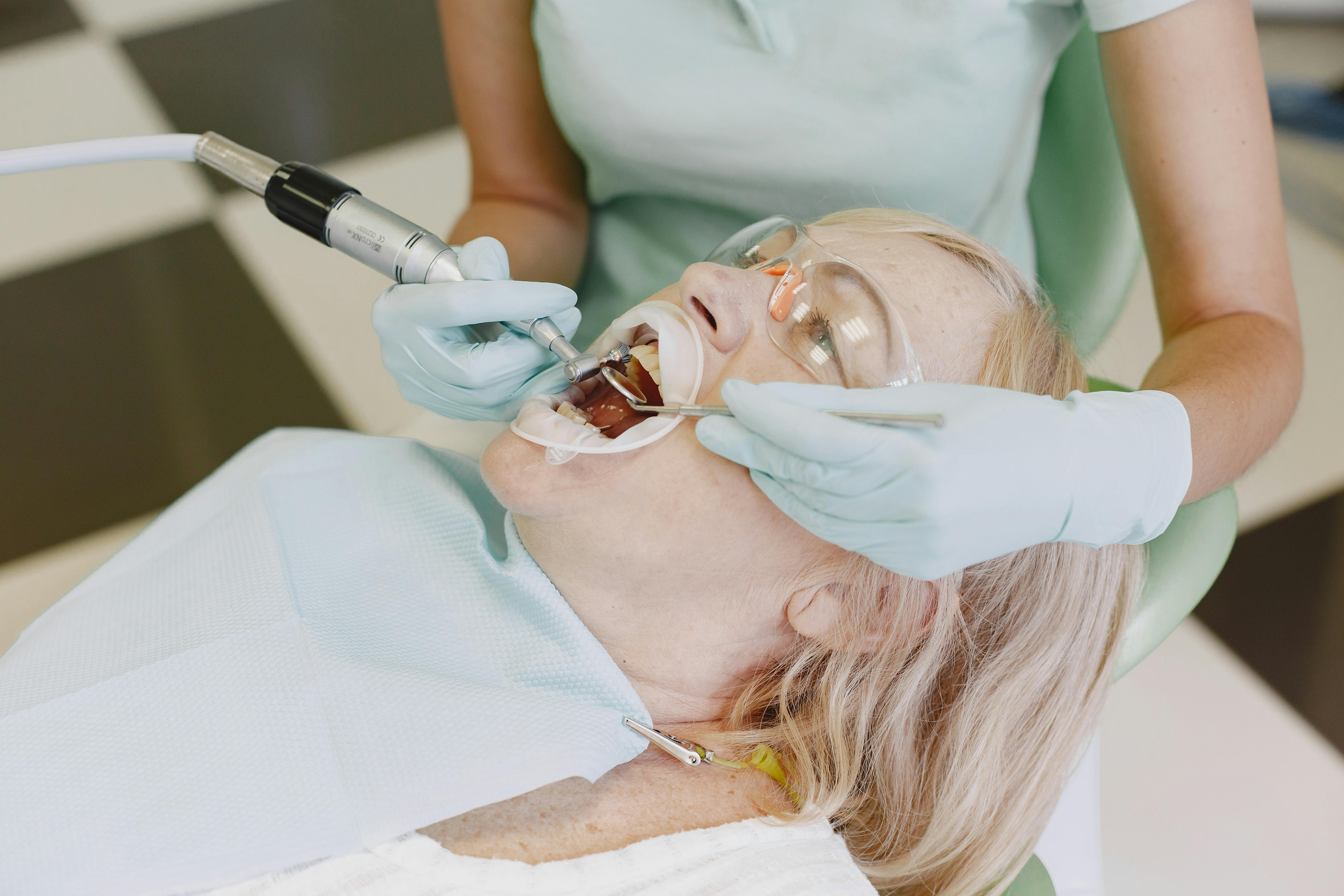
Ignoring severe dental symptoms can lead to infections, tooth loss, and more complicated procedures later.
Recognizing the early signs to call an emergency dentist gives you the opportunity to protect your oral health before conditions worsen.
Bethesda Dental Health provides urgent dental care, restorative procedures, and long-term treatment solutions for patients dealing with pain, trauma, or sudden dental complications. Contact our experienced team today for prompt professional care.