
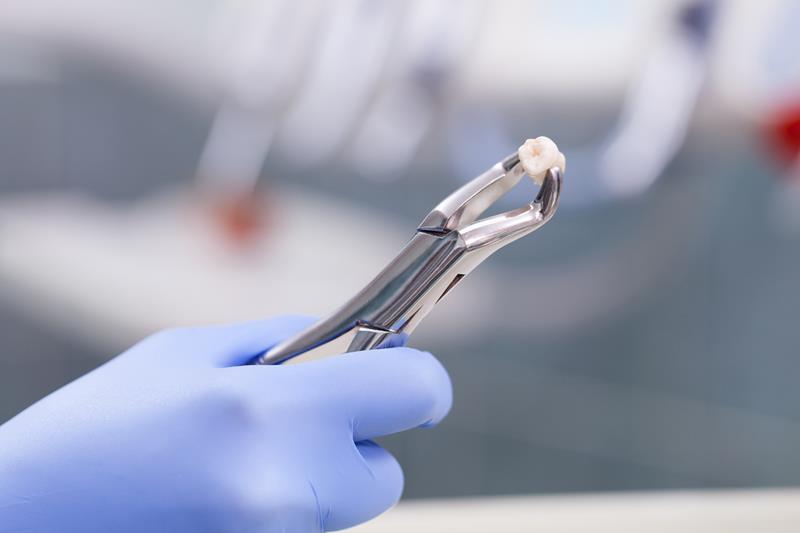
Protecting Oral Health When a Tooth Must Be Removed
Saving natural teeth is always the priority, but certain dental conditions make removal the healthiest option. Tooth extractions at Bethesda Dental Health are performed only after careful evaluation, using gentle techniques designed to minimize discomfort and protect surrounding teeth and gums.
Whether a tooth is severely decayed, infected, overcrowded, or impacted, timely extraction can prevent pain, infection spread, and long-term oral health complications.
When it comes to tooth extractions in Bethesda, our team follows minimally invasive procedures and evidence-based protocols to ensure a smooth experience and optimal healing. With advanced imaging, gentle techniques, and thorough aftercare guidance, patients can feel confident knowing their treatment supports both immediate relief and future dental stability.
Request an AppointmentCommon Reasons for Tooth Extractions
Patients may need tooth extractions for several clinical reasons, including:
- Advanced tooth decay that cannot be restored with fillings or crowns
- Severe infection or abscess risking spread to surrounding bone or tissue
- Gum disease causing bone loss and tooth instability
- Overcrowding prior to orthodontic treatment
- Impacted or problematic wisdom teeth
- Dental trauma resulting in irreparable fractures
Each case is evaluated individually to ensure extraction is truly the most appropriate option.
Symptoms that may indicate the need for evaluation include persistent tooth pain, swelling, sensitivity to pressure, gum inflammation, or recurring infections. Radiographic imaging allows your dentist to assess bone health and determine whether extraction is the best course of action.
Types of Tooth Extractions We Perform in Bethesda
Bethesda Dental Health offers both routine and complex extractions depending on the tooth’s position and condition.
Simple Tooth Extractions
Performed on visible teeth above the gumline, simple extractions are typically recommended for loosened, decayed, or damaged teeth. Local anesthesia ensures a comfortable procedure, and removal is usually quick with minimal recovery time.
Surgical Tooth Extractions
Surgical extractions are necessary when teeth are impacted, broken at the gumline, or not fully erupted. This approach may involve a small incision and sectioning of the tooth to allow controlled removal while preserving surrounding bone.
The Tooth Extraction Process at Bethesda Dental Health
Our approach to tooth extractions in Bethesda prioritizes precision and patient comfort. Understanding the process can help reduce anxiety and build confidence.
Comprehensive Evaluation
Your dentist begins with a clinical exam and digital X-rays to assess root structure, bone density, and proximity to nerves or sinuses. This planning stage ensures a safe approach.
Anesthesia and Comfort
Local anesthesia is used to numb the area completely. For anxious patients, additional comfort options may be discussed to help you relax throughout the procedure.
Gentle Removal Technique
Using precise instruments and controlled force, the tooth is removed while minimizing trauma to surrounding tissues. This approach supports faster healing and reduces post-operative discomfort.
Immediate Aftercare
A gauze pad is placed to control bleeding, and detailed instructions are provided before you leave the office.
Recovery and Healing After Tooth Extraction
Healing is a natural process that typically progresses over one to two weeks. Following post-extraction instructions is essential for preventing complications such as dry socket or infection.
Key things to remember for smoother recovery include:
- Bite gently on gauze to control bleeding
- Avoid rinsing or using straws for the first 24 hours
- Stick to soft foods and stay hydrated
- Apply cold compresses to reduce swelling
- Take prescribed or recommended medications as directed
Most patients resume normal activities within a day or two, depending on the complexity of the extraction.
Tooth Replacement Options After Extraction
Leaving a missing tooth untreated can lead to shifting, bone loss, and bite issues. Bethesda Dental Health discusses replacement options to protect your smile’s function and appearance:
- Dental implants for long-term stability and bone preservation
- Dental bridges to restore function and alignment
- Partial dentures for affordable tooth replacement
Planning ahead allows replacement to begin at the appropriate time once healing is complete
When to Seek Immediate Dental Care
Contact our office promptly if you experience:
- Severe tooth pain or swelling
- Signs of infection such as fever or pus
- Trauma resulting in a damaged or loose tooth
Early intervention often prevents more complex treatment later.
Why Choose Bethesda Dental Health for Tooth Extractions?
- Experienced dental professionals skilled in routine and surgical extractions
- Patient-focused care emphasizing comfort and communication
- Modern technology for precise diagnosis and treatment
- Comprehensive follow-up care to support healing and tooth replacement planning
We believe compassionate care and clinical excellence go hand in hand.
Schedule Your Tooth Extraction Consultation
If you’re experiencing tooth pain or have been advised that removal may be necessary, Bethesda Dental Health offers compassionate, expert tooth extractions across Bethesda. Our team focuses on safety, comfort, and clear guidance—before, during, and after treatment.
At Bethesda Dental Health, we believe dental extractions should never feel overwhelming. Our team explains costs clearly and helps patients understand coverage, ensuring informed decisions without surprises.
We adhere to strict sterilization protocols, use single-use materials where applicable, and follow ADA-recommended clinical guidelines. Digital imaging and careful treatment planning further reduce risk and improve outcomes.
Call now to book and appointment – A personalized consultation will determine the best treatment plan for your needs.
Request an AppointmentFrequently Asked Questions (FAQs) For Tooth Extractions in Bethesda
Are tooth extractions painful?
With modern anesthesia techniques, patients typically feel little to no pain during extraction. Mild soreness afterward is normal and manageable with medication.
How long does it take to heal after a tooth extraction?
Initial healing usually occurs within 7–10 days, while complete bone healing may take several weeks depending on the extraction type.
Can I go back to work the same day?
Many patients return to work the next day after a simple extraction. Surgical extractions may require additional rest.
What is dry socket and how can I avoid it?
Dry socket occurs when the blood clot dislodges prematurely. Avoid smoking, straws, and vigorous rinsing during early healing to reduce risk.
Do I need to replace an extracted tooth?
Replacing a missing tooth is strongly recommended to prevent shifting, bite problems, and bone loss. Your dentist will discuss suitable options.