
Persistent bad breath can be frustrating when brushing and mints provide only temporary relief. The causes of bad breath are not always obvious, and the problem is not necessarily poor brushing. Changes in saliva, oral bacteria, food choices, or gum health may play a role. Dentists in Bethesda can assess ongoing odor, identify possible oral causes, and recommend appropriate care. Finding the source is the first step toward fresher breath.
1. Dry Mouth and Reduced Saliva
Saliva washes away food particles and limits odor-producing bacteria. When production drops, bacteria and debris remain on the tongue and teeth longer.
Dry mouth may result from sleep, dehydration, medication, mouth breathing, or certain health conditions. Sip water regularly, limit excess caffeine, and ask your dentist about persistent dryness. Sugar-free gum may stimulate saliva.
2. Medications That Affect Your Mouth
Some medicines, including antihistamines, certain blood pressure drugs, and antidepressants, can reduce saliva. Less saliva can allow odor-causing compounds to build up.
Do not stop a prescribed medicine on your own. If bad breath began after starting medication, tell your dentist and prescribing clinician. They can review side effects and suggest safe ways to manage dryness.
3. Tonsil Stones
Tonsil stones are small deposits that form in pockets on the tonsils. They contain trapped food particles, bacteria, and cellular debris. These deposits can release a strong odor, even when your teeth are clean. Some people notice a bad taste or throat irritation.
Recurring stones may need medical assessment. Avoid digging at the tonsils with sharp objects, which can cause injury. If stones are frequent, painful, or make swallowing difficult, seek medical advice.
4. Foods and Eating Patterns
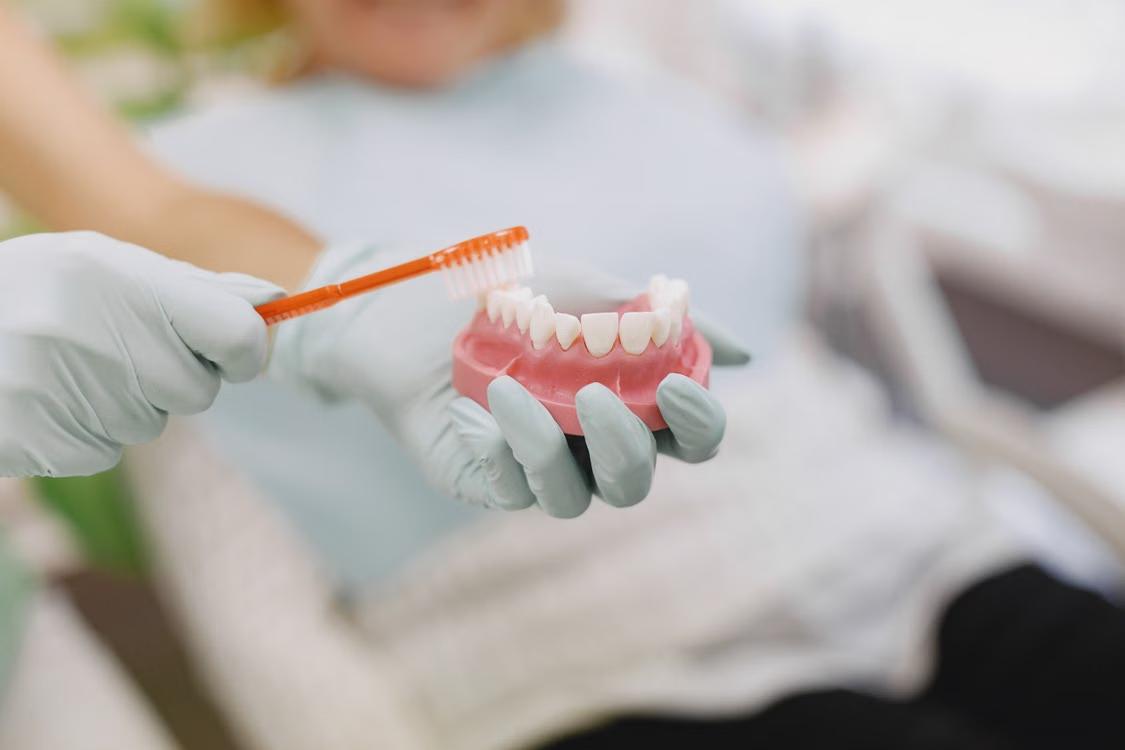
Garlic, onions, coffee, and strongly seasoned foods can affect breath. Odor compounds can enter the bloodstream and leave through the lungs, so brushing may not remove the smell immediately. Skipping meals or following a very low-carbohydrate diet can also change breath odor.
Drinking water, eating balanced meals, and cleaning your tongue can reduce lingering odors. Notice whether the smell follows a particular eating pattern. Persistent odor
that continues regardless of diet deserves attention rather than repeated masking with mints.
5. Gum Disease and Hidden Dental Problems
Gum disease commonly causes ongoing bad breath. Plaque bacteria can cause inflammation, bleeding, and pockets around teeth. These spaces collect bacteria and debris that routine brushing may not remove. Tooth decay, infected dental pulp, and poorly cleaned appliances can also contribute.
Brush twice daily with fluoride toothpaste, clean between your teeth every day, and attend regular dental examinations. If your gums bleed, look swollen, or feel tender, arrange an assessment. Periodontal services may be recommended when gum inflammation or deeper infection is present. Treating the source is more effective than covering the odor.
6. A Tongue That Needs More Attention
The tongue has a textured surface where bacteria, dead cells, and food particles collect, particularly toward the back. This coating can produce sulfur compounds associated with unpleasant breath. This area is easy to miss.
Gently clean your tongue daily with a scraper or soft toothbrush. Avoid scraping hard enough to cause soreness or bleeding. Rinse after meals and continue brushing and flossing. If a thick coating remains, or the tongue becomes painful, unusually discolored, or develops sores, ask a dental or medical professional to examine it.
7. Sinus, Throat, and Other Health Conditions
Postnasal drip carries mucus toward the back of the throat, where it may contribute to odor. Sinus and throat conditions can also affect breath. Less commonly, diabetes or kidney and liver disease may change breath odor.
Smell alone cannot diagnose a condition. Notice accompanying symptoms, such as fever, facial pain, unusual thirst, frequent urination, or unexplained weight changes.
Contact a healthcare professional if breath changes occur with these concerns or persist despite good oral care. Mention any recent illness, medication changes, and symptoms that seem unrelated to your mouth.
8. Dental Appliances That Are Not Cleaned Thoroughly
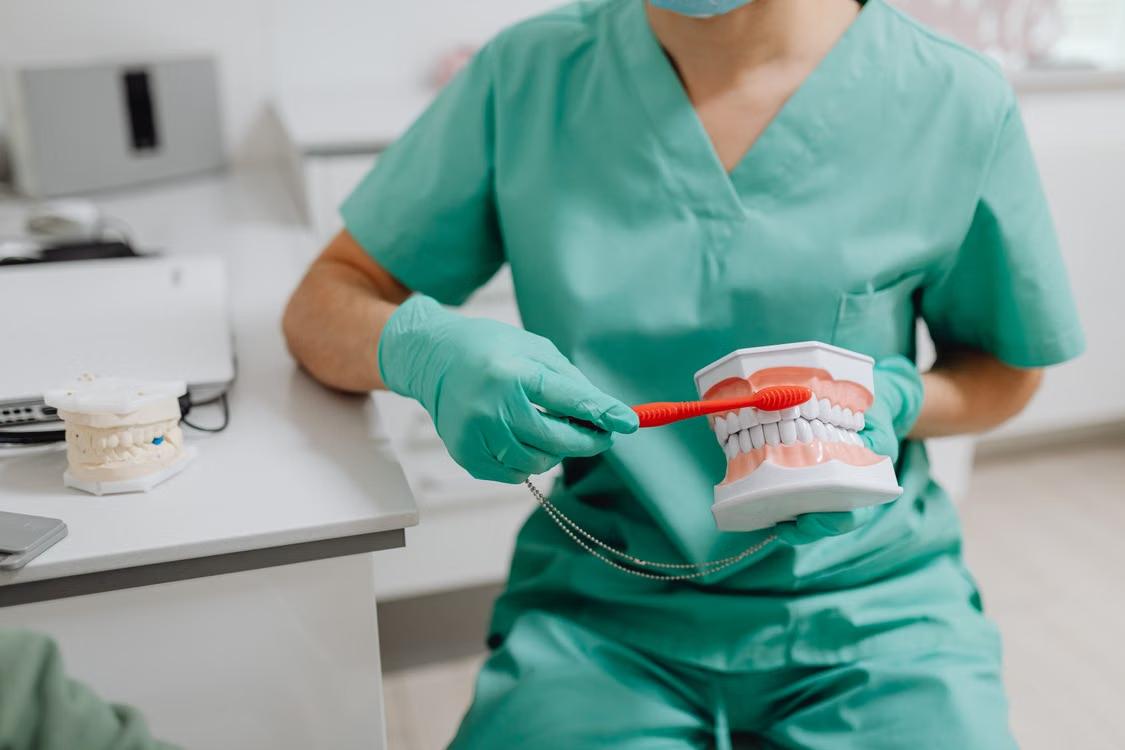
Retainers, dentures, and night guards can hold food and bacteria against the mouth.
Poor cleaning can cause odors that affect your breath. Damaged surfaces can also make cleaning less effective.
Clean appliances using the method recommended by your dental professional. Avoid hot water on plastic devices unless the manufacturer permits it, because heat may change their shape. Store appliances as instructed, and bring them to dental visits so their fit and condition can be checked.
When Should You Seek Professional Help?
Persistent odor that does not improve with brushing, flossing, tongue cleaning, and hydration deserves attention. A dentist can check for cavities, gum disease, dry mouth, infections, and appliance-related problems. If the mouth appears healthy, your dentist may suggest speaking with a physician about non-dental causes.
Seek prompt care for severe tooth pain, facial swelling, fever, trouble swallowing, or difficulty breathing. These symptoms need urgent evaluation. Do not rely on mouthwash to manage an ongoing issue without finding its source.
Building Habits for Fresher Breath
Brush for two minutes twice a day, floss daily, and gently clean your tongue. Drink enough water, avoid tobacco, and limit frequent sugary snacks. Clean dentures and retainers consistently, and replace your toothbrush when its bristles become worn.
Routine checkups help address problems early.
Persistent bad breath is a concern you can discuss without embarrassment. The next step depends on whether the cause is dental, medication-related, dietary, or medical.
A Bethesda dental clinic can provide an oral assessment, while general dentistry and periodontal services can address problems affecting teeth and gums. For help with your smile, reach out to Bethesda Dental Health to schedule an examination and discuss a practical plan for fresher breath. Contact us today.