
Losing a dental filling can happen unexpectedly. You might notice something hard in your mouth while eating, feel an unusual gap in your tooth, or experience a sudden jolt of pain when drinking something cold. While a missing filling may initially seem like a minor dental problem, it can leave sensitive parts of your tooth exposed and vulnerable to further damage.
Experiencing sharp tooth pain after losing a filling can be particularly concerning, especially when the discomfort makes it difficult to eat, drink, or concentrate on daily activities. The pain may result from exposed dentin, nerve irritation, underlying tooth decay, or even a crack in the affected tooth.
Understanding why this happens, how to protect your tooth temporarily, and when to seek professional dental care can help prevent additional complications.
Why Does Losing a Filling Cause Sharp Tooth Pain?

filling? Temperature sensitivity and exposed tooth structures may be to blame.
Dental fillings restore teeth damaged by cavities or minor fractures. They also help protect the underlying tooth structure from temperature changes, pressure, and bacteria.
When a filling becomes loose or falls out, the previously protected area becomes exposed. Depending on the depth of the original cavity and the condition of the tooth, this exposure can trigger discomfort ranging from mild sensitivity to severe pain.
Several factors may contribute to sharp tooth pain after losing a filling.
1. Exposed Dentin and Increased Sensitivity
Beneath the hard enamel lies a softer layer called dentin. This tissue contains microscopic tubules that communicate with the tooth’s inner nerve tissue.
When a filling falls out, exposed dentin may react strongly to cold drinks, hot foods, sugary substances, or even air entering the mouth.
You might experience a sudden, sharp sensation that disappears once the triggering substance is removed. However, persistent sensitivity can indicate a more serious underlying problem.
2. Irritation of the Tooth’s Nerve
Deep fillings are often positioned close to the pulp, which contains nerves and blood vessels.
If a large filling becomes dislodged, the exposed tooth structure may allow temperature changes, pressure, and bacteria to irritate the pulp.
Initially, the discomfort might occur only when chewing or drinking something cold. As irritation increases, pain may become more frequent or continue even after the trigger disappears.
Prolonged or spontaneous pain deserves prompt evaluation because it may indicate significant pulp inflammation.
3. Tooth Decay Beneath the Filling
Fillings do not last indefinitely. Over time, normal wear, tooth grinding, and changes around the edges of a restoration can compromise its seal.
Bacteria may enter small gaps and contribute to new decay beneath or around the filling.
If the filling eventually falls out, an underlying cavity may already be present.
Depending on how deeply the decay extends, treatment may involve replacing the filling, placing a crown, or performing root canal therapy.
4. Cracks or Fractures in the Tooth
Sometimes, the filling is not the only problem. The surrounding tooth structure may have weakened or cracked.
A cracked tooth can produce sudden pain when biting or releasing pressure while chewing. Some patients also experience sensitivity to hot or cold temperatures.
Because cracks are not always visible, an examination by dentists in Bethesda may be necessary to determine the extent of the damage.
Why Is My Tooth Sensitive to Hot and Cold After Losing a Filling?

Temperature sensitivity is one of the most common symptoms associated with a missing filling.
Cold beverages, ice cream, hot coffee, or warm meals can stimulate exposed dentin and cause temporary discomfort.
The duration of the pain may provide useful clues.
- Brief sensitivity: Pain that disappears quickly after exposure may be associated with exposed dentin or mild pulp irritation.
- Lingering discomfort: Pain that continues after a hot or cold stimulus has been removed may suggest more significant nerve inflammation.
- Spontaneous pain: Throbbing or sharp discomfort without an obvious trigger may indicate a deeper dental problem.
- Pain when biting: Discomfort during chewing can be associated with a crack, damaged restoration, or inflammation around the tooth.
These patterns are not enough to establish a diagnosis. A dental examination is necessary to identify the cause and determine the appropriate treatment.
When Should You See an Emergency Dentist for a Lost Filling?
Not every missing filling requires an immediate emergency appointment. However, certain symptoms suggest that waiting could lead to further complications.
You should contact an emergency dentist if you experience:
- Severe tooth pain that interferes with sleeping or eating.
- Persistent discomfort that does not improve with appropriate pain medication.
- Swelling around the affected tooth or gums.
- A visible crack or significant loss of tooth structure.
- Lingering sensitivity to hot or cold temperatures.
- Signs of infection, including fever, gum swelling, or an unpleasant taste.
If you develop severe facial swelling accompanied by difficulty breathing or swallowing, seek emergency medical attention immediately.
Patients experiencing sudden dental discomfort may benefit from same day dental care, depending on the severity of their symptoms and appointment availability.
How Will a Dentist Treat a Tooth After a Filling Falls Out?
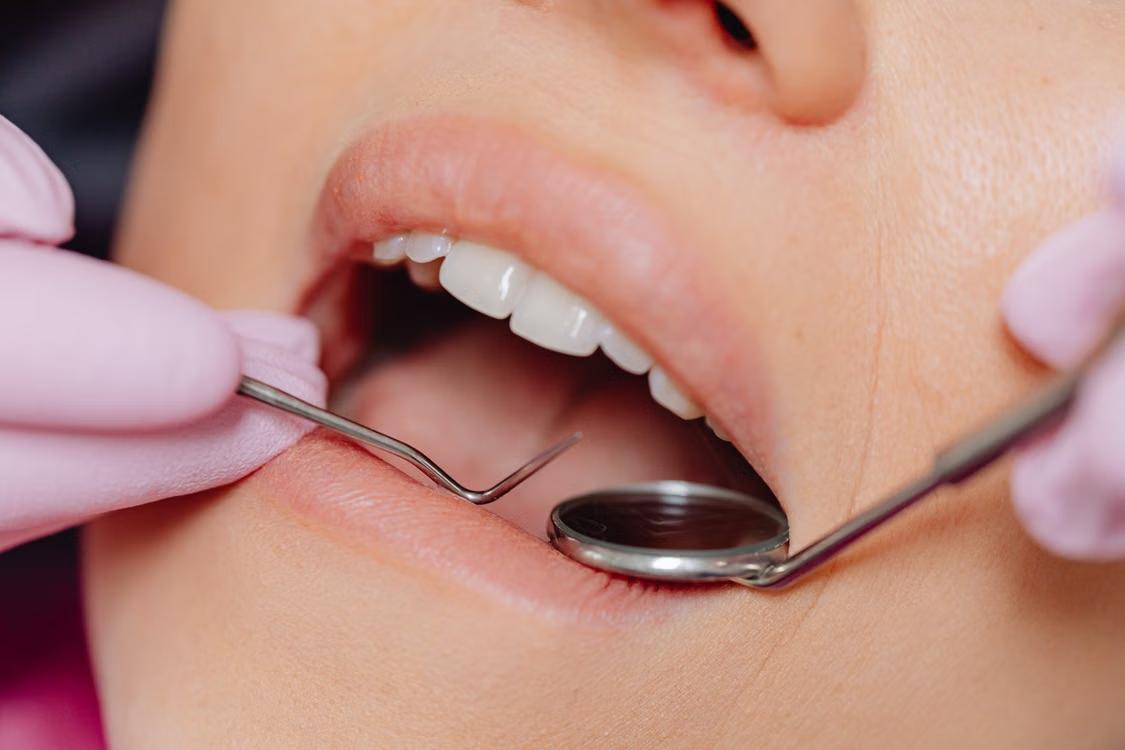
The appropriate treatment depends on how much healthy tooth structure remains and whether the inner tissues have been affected.
Replacing the Dental Filling
If the tooth is structurally sound and there is no extensive decay, your dentist may clean the affected area and place a new filling.
This helps restore the tooth’s shape, protect sensitive tissues, and improve chewing comfort.
Placing a Dental Crown
When a substantial portion of the tooth has weakened or fractured, a dental crown may provide better protection than another filling.
Crowns cover the visible portion of the tooth, helping restore strength and function.
Patients exploring restorative treatments or cosmetic dentistry in Chevy Chase, MD, may also discuss tooth-colored materials that offer a natural-looking appearance.
Performing Root Canal Therapy
If bacteria have reached the pulp and caused irreversible inflammation or infection, root canal treatment may be necessary.
The procedure removes the affected pulp tissue, cleans the internal canals, and seals the tooth to help preserve its structure.
Extracting a Severely Damaged Tooth
In some situations, a tooth may be too damaged to restore. Extraction may then be recommended.
Patients sometimes ask, can a dentist pull an infected tooth the same day? In many cases, same-day extraction is possible, although the decision depends on the infection, tooth anatomy, medical history, and availability of appropriate treatment.
Your dentist will explain whether preservation or extraction is the most suitable approach.
How Can You Prevent Fillings From Falling Out?
Although no dental restoration lasts forever, consistent oral care can help extend its lifespan.
Brush twice daily with fluoride toothpaste, floss regularly, and attend routine dental examinations.
Avoid using your teeth to open packages or bite extremely hard objects. If you grind your teeth at night, ask your dentist whether a custom night guard could help protect your restorations.
Regular dental visits also allow your dentist to identify worn, cracked, or loose fillings before they become painful.
Sharp tooth pain after losing a filling is more than an inconvenience. It may signal exposed sensitive tissue, underlying decay, or damage that needs professional attention.
At Bethesda Dental Health, we believe quality dental care begins with understanding each patient’s individual needs. As a family-focused dental practice, we emphasize privacy, overall well-being, preventive care, and patient education. Our commitment is to help individuals of all ages make informed decisions about their oral health while receiving attentive, personalized dental services.
Whether you need an evaluation for a missing filling, relief from unexpected tooth pain, or guidance on restoring a damaged tooth, our team is dedicated to helping you find an appropriate treatment solution.
Don’t let a missing filling become a bigger dental problem. Contact Bethesda Dental Health to schedule an appointment and take the next step toward protecting your smile.