
Choosing an orthodontic treatment is a personal decision. If you are weighing clear aligners vs. traditional braces, the right option depends on the type of tooth movement required, your daily habits, and the recommendations made after an examination. An Invisalign dentist can assess your alignment and explain whether removable aligners are suitable or whether fixed braces may offer better control.
Both treatments can improve the position of teeth, but they work in different ways.
Clear aligners use a series of removable plastic trays to apply gentle pressure in planned stages. Traditional braces use brackets attached to teeth and a wire that guides movement over time.
How Each Treatment Works
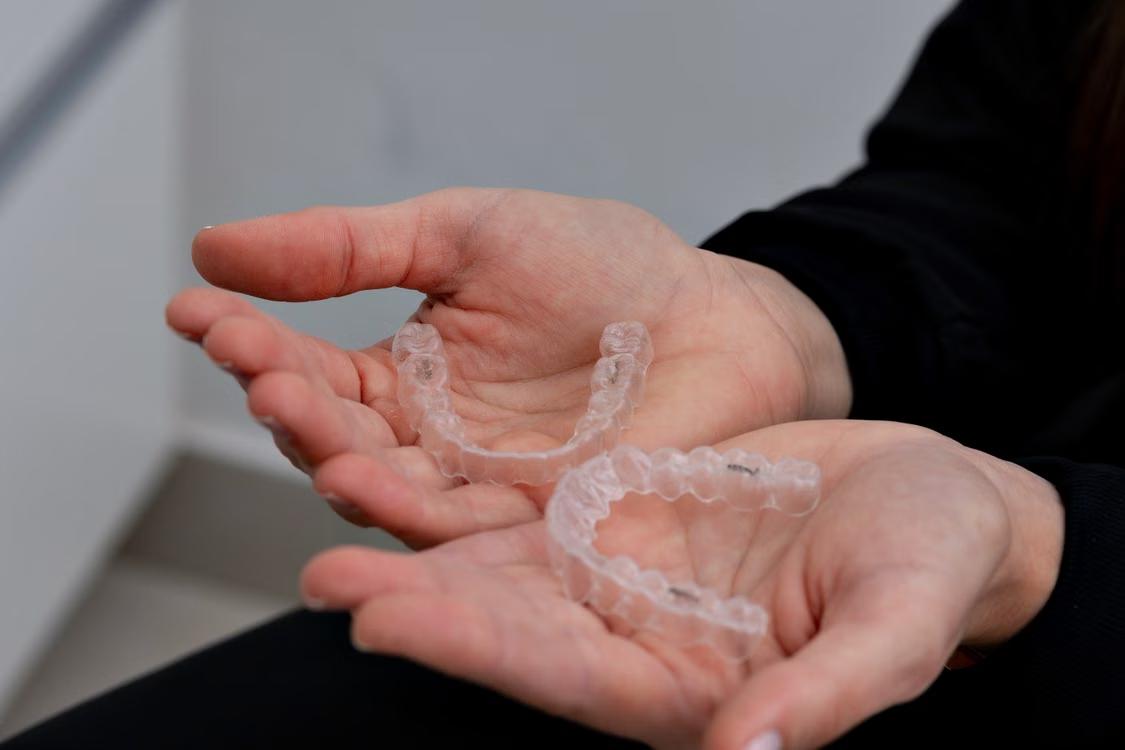
Clear aligners are made from transparent material and are designed to fit closely over the teeth. You wear each set for a prescribed period, then move to the next set as your teeth respond.
Traditional braces apply pressure through brackets and wires. The orthodontic provider adjusts the wire during scheduled visits, and elastic bands may be used to guide the bite or support specific movements. Braces remain attached throughout treatment, so they continue working without depending on the patient to put them back in after meals.
Effectiveness for Different Alignment Concerns
Both options can correct many common orthodontic problems, including crowding, spacing, and certain bite concerns. Clear aligners may be suitable for mild to moderate alignment issues and selected for more involved cases when the planned movements can be achieved predictably.
Traditional braces are often recommended for complex tooth movements, significant bite corrections, rotations, or cases that need precise control of several teeth.
Because brackets and wires remain in place, the provider can apply force continuously and make adjustments during treatment. A clinical assessment, rather than preference alone, determines which method is appropriate. Your age, dental history, jaw development, and ability to attend follow-up visits may also influence the recommendation, so share these details during your consultation before choosing a treatment plan.

traditional braces compare in comfort, appearance, and results.
Comfort and Appearance
Clear aligners have smooth surfaces and no brackets or wires that commonly rub against the cheeks. You may feel pressure or tenderness for a few days when starting a new tray, particularly as teeth begin moving.
Braces may irritate placement or adjustment, and the inside of the lips and cheeks can need time to adapt. Teeth can also feel tender after an adjustment. Metal braces are visible, while ceramic brackets may be less noticeable but are still fixed to the
teeth. For patients who place a high value on a discreet appearance, aligners may have an advantage.
Treatment Time and Consistency
Treatment length varies with the amount of movement required, the patient’s biology, and how consistently instructions are followed. Some straightforward cases may finish within several months, while more involved treatment can take a year or longer with either method.
Aligners only work as intended when worn for the prescribed daily schedule, commonly around 20 to 22 hours. Leaving them out for long periods can slow progress or affect how the next tray fits. Braces do not rely on daily wear decisions, but missed appointments, broken brackets, or poor oral hygiene can delay treatment.
Cleaning and Everyday Maintenance
With clear aligners, remove the trays before eating or drinking anything other than water. Brush and floss before putting them back in, and clean the trays as directed.
Avoid exposing aligners to hot water, which can distort the plastic.
Braces require more attention around brackets and wires. Food can become trapped, so brushing after meals and using floss threaders or interdental brushes can help clean hard-to-reach spaces. Sticky or very hard foods may damage the appliance and should be avoided. Both treatments call for consistent brushing, flossing, and professional dental care to protect the teeth and gums during orthodontic treatment.
Cost and Practical Considerations
The cost of either option depends on case complexity, treatment length, the provider’s fees, and what is included in the treatment plan. Aligners are not always more expensive than braces, and braces are not always the lower-cost choice. Ask for a written estimate that explains appointments, retainers, refinements, repairs, and any additional fees.
Think about your routine before deciding. Aligners may suit adults or teens who can keep track of trays, remove them for meals, and wear them consistently. Braces may
be more practical for someone who would find removable trays easy to misplace or forget.
What Happens After Treatment?
When active treatment ends, teeth can gradually shift toward their earlier positions.
Retainers help maintain the result, whether treatment involved aligners or braces.
Long-term use is often important because teeth can move throughout adulthood.
Keep regular dental visits during and after orthodontic treatment. Your dentist can monitor tooth and gum health, address cavities or inflammation, and help you maintain the results.
Making the Right Choice for Your Smile
The decision between clear aligners and traditional braces should begin with a full orthodontic assessment. Ask which movements your case requires, how long treatment may take, what daily responsibilities are involved, and what the total fee covers.
If discretion and removability matter most, clear aligners may be a strong option when your alignment needs allow them. If your case requires complex movements or close control, traditional braces may be more predictable.
Ask an Invisalign dentist whether clear aligners fit your case, and discuss cosmetic dentistry and general dentistry needs in Bethesda that may affect your treatment plan. Contact Bethesda Dental Health today to arrange an appointment and take the next step toward a healthier, more aligned smile.