
Healthy gums play an important role in protecting your teeth and supporting your overall oral health. However, gum problems can sometimes develop gradually, making them easy to overlook until discomfort or visible changes become difficult to ignore.
Recognizing the signs of unhealthy gums early can help you know when it may be time to schedule a dental evaluation. Bleeding, swelling, persistent bad breath, gum recession, and changes in how your teeth feel can all indicate that your gums need professional attention.
Regular dental visits are not only about checking for cavities. Gum evaluations are an important part of general dentistry because they allow your dental team to identify potential concerns before they become more complicated.
Here are seven common signs your gums may be trying to tell you it is time for a checkup.
1. Your Gums Bleed When You Brush or Floss

Seeing a small amount of blood after brushing or flossing may seem harmless, especially if it only happens occasionally. However, recurring bleeding can be one of the earliest signs of unhealthy gums.
Healthy gums generally should not bleed during routine oral hygiene. Bleeding may occur when plaque builds up around the gumline, causing irritation and inflammation.
Sometimes people stop flossing when they notice bleeding, but avoiding the area may allow additional plaque to accumulate. Instead, continue gentle brushing and flossing
and consider scheduling an evaluation with a dentist in Bethesda if the bleeding continues.
A dental professional can examine your gums, look for inflammation, and determine whether professional cleaning or another type of treatment may be appropriate.
2. Your Gums Look Red or Swollen

Healthy gums typically appear firm and fit closely around the teeth. Gums that become noticeably red, puffy, or swollen may indicate inflammation.
Swelling can develop when bacteria and plaque collect near or underneath the gumline. While mild irritation may occasionally occur for other reasons, swelling that persists should not be ignored.
Regular professional cleanings can remove hardened deposits that brushing and flossing cannot always eliminate. During routine general dentistry appointments, your dentist can also evaluate gum color, texture, and overall condition.
Early evaluation may make it easier to address the source of inflammation before it progresses.
3. You Have Persistent Bad Breath
Everyone experiences bad breath from time to time, particularly after eating certain foods. However, bad breath that continues despite brushing, flossing, and using mouthwash may indicate an underlying oral health concern.
Bacteria accumulating around the teeth and gums can contribute to persistent unpleasant breath. Food particles and plaque trapped below the gumline may also be difficult to remove through home care alone.
If bad breath has become a regular concern, it may be worth discussing it during your next dental appointment. A dentist can look for potential causes involving the gums, teeth, tongue, or other areas of the mouth.
Persistent bad breath combined with bleeding or swollen gums may be particularly important to evaluate.
4. Your Gums Are Pulling Away From Your Teeth
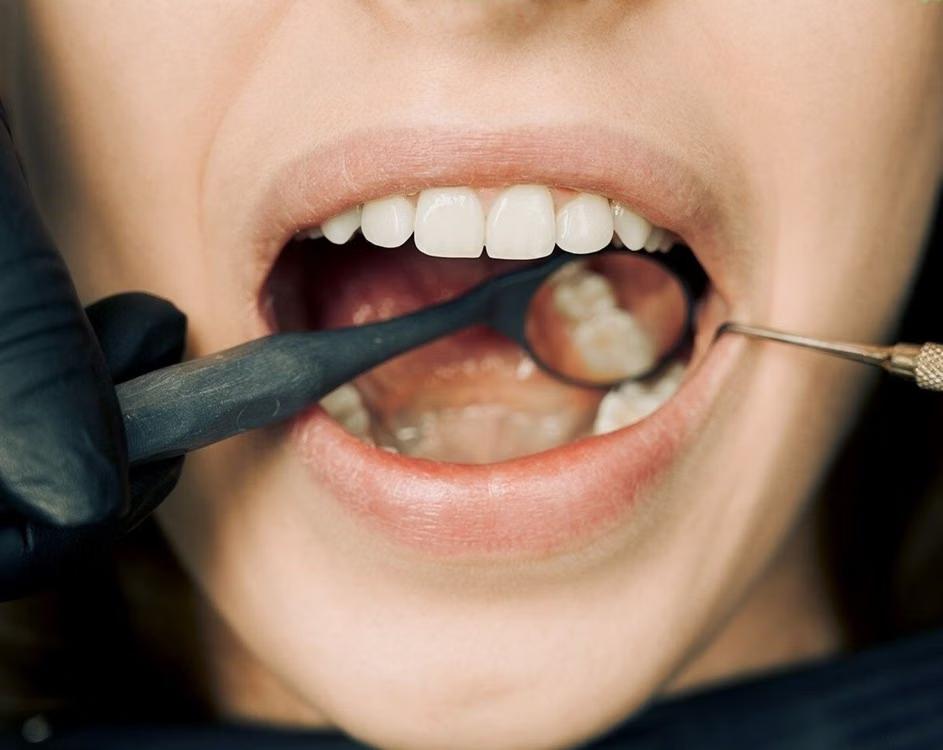
Gum recession occurs when gum tissue moves away from the tooth, making the teeth appear longer than they previously did.
Recession is another potential sign that your gum health needs attention. It can be associated with gum disease, aggressive brushing habits, teeth grinding, ageing, or other factors.
As the gums recede, areas of the tooth that are normally protected may become exposed. This can sometimes result in increased sensitivity, particularly when consuming hot, cold, sweet, or acidic foods and beverages.
Because gum tissue generally does not simply grow back on its own, identifying recession early is important. Your dentist can assess what may be contributing to the problem and recommend ways to help protect the affected areas.
5. Your Gums Feel Tender or Sensitive
Tenderness is another symptom that should not automatically be dismissed.
Your gums may feel uncomfortable when brushing, flossing, chewing, or touching certain areas of your mouth. Tenderness can sometimes develop alongside redness and swelling, but it may also appear without dramatic visible changes.
When discomfort persists, scheduling a dental examination can help determine what is happening beneath the surface.
Professional evaluation can also help distinguish gum-related discomfort from other dental concerns that may require different treatment.
6. Your Teeth Feel Loose or Your Bite Feels Different
Adult teeth should generally feel stable. If a tooth begins to feel loose or you notice a change in how your teeth fit together when biting, it is important to arrange a dental examination promptly.
Advanced gum problems can affect the tissues and bone that help support the teeth.
As those supporting structures become compromised, teeth may begin to shift or feel less secure.
Loose teeth are among the more serious signs of unhealthy gums and should not be ignored.
If tooth movement develops suddenly, is associated with trauma, significant pain, or another urgent dental problem, emergency dental care may be appropriate.
Contacting your dental office promptly can help you understand the next steps based on your symptoms.
7. You Notice Pus or Changes Around the Gumline
Pus, drainage, bumps, or unusual changes around the gums can indicate infection or another condition requiring professional evaluation.
You might notice a small swollen area near a tooth, an unpleasant taste in your mouth, or tenderness around a particular section of your gums.
Rather than attempting to treat the area yourself, contact your dentist. Dental infections can sometimes worsen without proper treatment, so timely professional care is important.
Severe swelling, intense pain, fever, facial swelling, or difficulty swallowing or breathing should be treated as urgent symptoms, and appropriate medical or emergency dental care should be sought promptly.
Why Early Gum Evaluations Matter
Gum problems do not always cause significant pain during their early stages. This is one reason routine dental examinations and cleanings remain so important even when your mouth feels normal.
A dental professional in Bethesda can examine areas that are difficult to see at home, evaluate gum pockets, identify plaque and tartar accumulation, and look for changes in the tissues surrounding your teeth.
Recognizing the signs of unhealthy gums early may also allow dental professionals to recommend preventive measures, professional cleaning, improved home-care techniques, or additional treatment before the condition becomes more advanced.
Consistent oral hygiene remains equally important between dental appointments.
Brush thoroughly twice each day using a soft-bristled toothbrush, clean between your teeth daily, and pay attention to any changes in your gums.
Bleeding, swelling, redness, tenderness, persistent bad breath, recession, and loose teeth are all changes worth discussing with a dental professional. Rather than waiting until symptoms become uncomfortable, having your gums evaluated early can give you a clearer understanding of your oral health and the steps needed to protect it.
If you have noticed any signs of unhealthy gums, turn to Bethesda Dental Health for attentive, prevention-focused care. As a trusted family dental clinic, Bethesda Dental Health keeps your privacy, comfort, and overall health at the centre of your experience. Our team is committed to promoting strong dental and oral health through patient education, preventive care, and personalized treatment for every stage of life.
Schedule a visit today and give your gums the professional attention they need to continue supporting a healthy, confident smile.