
A tooth extraction is a common dental procedure used when a tooth is severely damaged, infected, impacted, or causing other oral health concerns. While most extraction sites heal without complications, some patients can develop a painful condition known as dry socket after tooth extraction.
Dry socket can cause significant discomfort and may interfere with the normal healing process. Recognizing the warning signs early can help you know when it is time to contact your dentist rather than waiting for the pain to improve on its own.
Whether you recently had a wisdom tooth removed or another extraction as part of general dentistry, understanding what dry socket looks and feels like can help you protect your recovery.
What Is Dry Socket After Tooth Extraction?
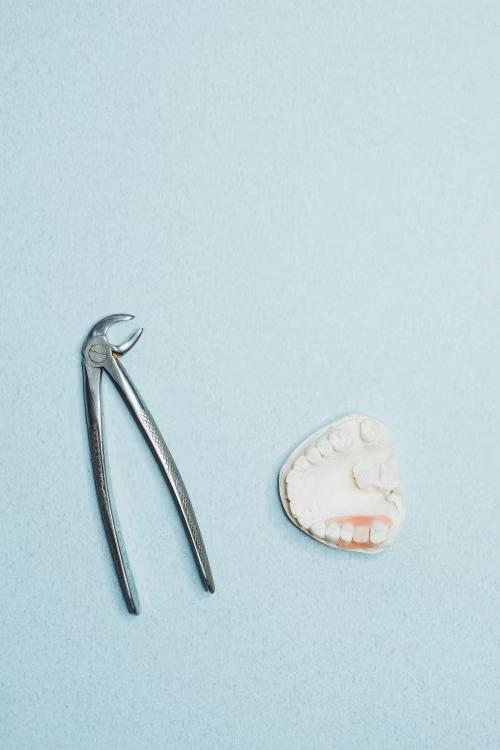
Discover what causes dry socket after tooth extraction, the symptoms to watch for, and how dentists can help.
After a tooth is removed, the body normally forms a blood clot inside the empty socket. This clot serves an important purpose. It protects the underlying bone and nerve endings while new tissue begins developing over the extraction site.
Dry socket after tooth extraction, medically known as alveolar osteitis, occurs when this protective blood clot does not form properly, becomes dislodged, or dissolves before the extraction site has had enough time to heal.
Without the clot covering the area, sensitive bone and nerves may become exposed.
This can result in intense pain and delay the normal healing process.
Dry socket does not happen after every extraction, but certain teeth and situations may carry a greater risk. It is particularly associated with lower wisdom tooth extractions.
What Causes Dry Socket?
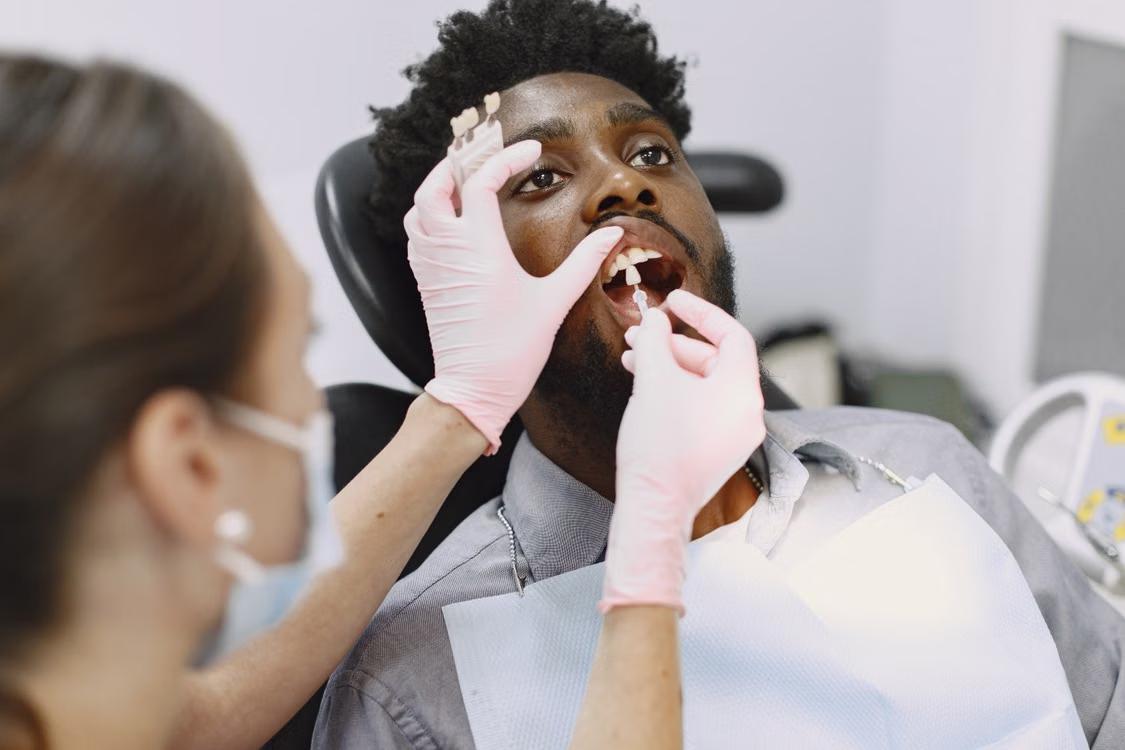
There is not always one clear reason why dry socket develops. Several factors can interfere with blood clot formation or cause a clot to become displaced.
Smoking or using tobacco products after an extraction may increase the risk because the sucking motion and chemicals involved can interfere with healing. Drinking through a straw can also create suction that may disturb the clot.
Other possible factors include poor oral hygiene around the extraction site, trauma during or after the procedure, certain medications, or an existing infection.
Following the aftercare instructions provided by your dentist in Bethesda can help reduce the likelihood of complications. These instructions may include recommendations about eating, drinking, brushing, rinsing, and avoiding tobacco during the early stages of recovery.
Common Signs of Dry Socket You Should Watch For
Some tenderness after an extraction is expected. However, pain should generally begin becoming more manageable as healing progresses. When pain becomes stronger instead, it may indicate a problem.
One of the most noticeable symptoms of dry socket after tooth extraction is severe or worsening pain several days after the procedure. The discomfort may feel deep, throbbing, or persistent.
Other possible warning signs include:
- Pain that spreads toward the ear, temple, eye, or neck on the same side as the extraction
- A socket that appears empty rather than covered by a blood clot
- Visible bone within the extraction site
- An unpleasant taste in the mouth
- Persistent bad breath
- Pain that is not adequately controlled with recommended pain-relief measures
These symptoms do not automatically confirm dry socket, but they are reasons to contact a dental professional for an evaluation.
Normal Extraction Pain vs. Dry Socket Pain
It can sometimes be difficult to know whether discomfort is simply part of recovery or something that needs professional attention.
After a routine extraction, swelling, tenderness, and soreness may occur during the first few days. These symptoms should gradually improve.
With dry socket, the pattern is often different. Instead of feeling better, patients may notice that the pain becomes more intense a few days after the extraction. The discomfort may also radiate beyond the extraction area into the jaw or side of the face.
If pain suddenly becomes severe or continues worsening, contacting a provider of emergency dental care can help determine whether dry socket or another complication is responsible.
Who Is More Likely to Develop Dry Socket?
Anyone who undergoes a tooth extraction can potentially develop dry socket, but certain behaviors and circumstances may increase the risk.
Smoking and tobacco use are frequently associated with healing complications following dental procedures. Drinking through straws, vigorous rinsing, or repeatedly touching the extraction site may also disturb the protective blood clot.
Patients should also be careful when brushing near the area. Keeping the mouth clean is important, but the extraction site should be treated gently according to the dentist’s instructions.
A history of dry socket may also be relevant. If you experienced the condition following a previous extraction, tell your dentist before undergoing another procedure.
How Do Dentists Treat Dry Socket?
If a dentist suspects dry socket after tooth extraction, they will examine the extraction site and evaluate your symptoms. In some situations, dental X-rays may be recommended to rule out other possible causes of pain.
Treatment primarily focuses on easing discomfort while allowing the area to heal.
The dentist may gently clean the socket to remove food particles or debris. A medicated dressing may then be placed inside the area to provide relief and protect exposed tissue.
Patients may also receive instructions for keeping the area clean at home. Depending on the situation, pain-relief medication or other treatment may be recommended.
Because every extraction and recovery is different, patients should follow the specific instructions provided by their dental professional rather than attempting to treat the socket themselves.
Can Dry Socket Be Prevented?
There is no guaranteed way to prevent every case, but careful aftercare may reduce the risk.
Avoid smoking, vaping, tobacco products, and drinking through straws during the period recommended by your dentist. Choose soft foods during the early stages of recovery and chew away from the extraction site when possible.
Patients should also avoid aggressive rinsing or spitting immediately after the procedure, since these actions can disturb the developing blood clot.
Maintaining oral hygiene remains important. Your dentist may explain how to brush around the extraction site safely and when you can begin rinsing your mouth.
Following these recommendations is an important part of both extraction recovery and preventive general dentistry care.
When Should You Seek Emergency Dental Care?
You should contact your dentist if extraction pain becomes significantly worse instead of gradually improving.
Prompt emergency dental care may also be appropriate if you experience severe swelling, uncontrolled bleeding, difficulty swallowing or breathing, fever, or other concerning symptoms.
Not every case of post-extraction discomfort is caused by dry socket. Infection, retained tooth fragments, or other dental concerns can sometimes cause similar symptoms. A dental examination is the safest way to determine what is happening.
Waiting for severe pain to disappear on its own may prolong discomfort. If something about your recovery does not feel right, getting professional guidance can provide clarity and appropriate treatment.
Persistent or worsening pain following an extraction deserves attention. If you are concerned about dry socket after tooth extraction, Bethesda Dental Health can evaluate your symptoms and help determine the appropriate next step.
Bethesda Dental Health is a unique family dental clinic focused on protecting your privacy, comfort, and overall well-being. Our practice promotes lasting dental and oral health through patient education, preventive care, and attentive treatment for patients of every age.
Whether you need guidance following an extraction, routine general dentistry, or timely emergency dental care, our team is here to help you feel informed and comfortable throughout your care. If your extraction site is becoming more painful instead of improving, schedule a visit with a trusted dentist in Bethesda and give your smile the professional attention it needs.