
A deep dental cleaning can be an important step towards improving gum health, especially when plaque and tartar have accumulated below the gumline. Unlike a routine cleaning, a deep cleaning reaches areas around the roots of your teeth where harmful bacteria can contribute to gum inflammation and periodontal disease.
If you have recently undergone scaling and root planing, you may be wondering what to expect after deep dental cleaning and how long it will take for your mouth to feel normal again.
Mild soreness, gum tenderness, and temporary sensitivity are common during the recovery period. Knowing what is normal and when to contact your dentist can make the healing process easier and less stressful.
What Happens During a Deep Dental Cleaning?
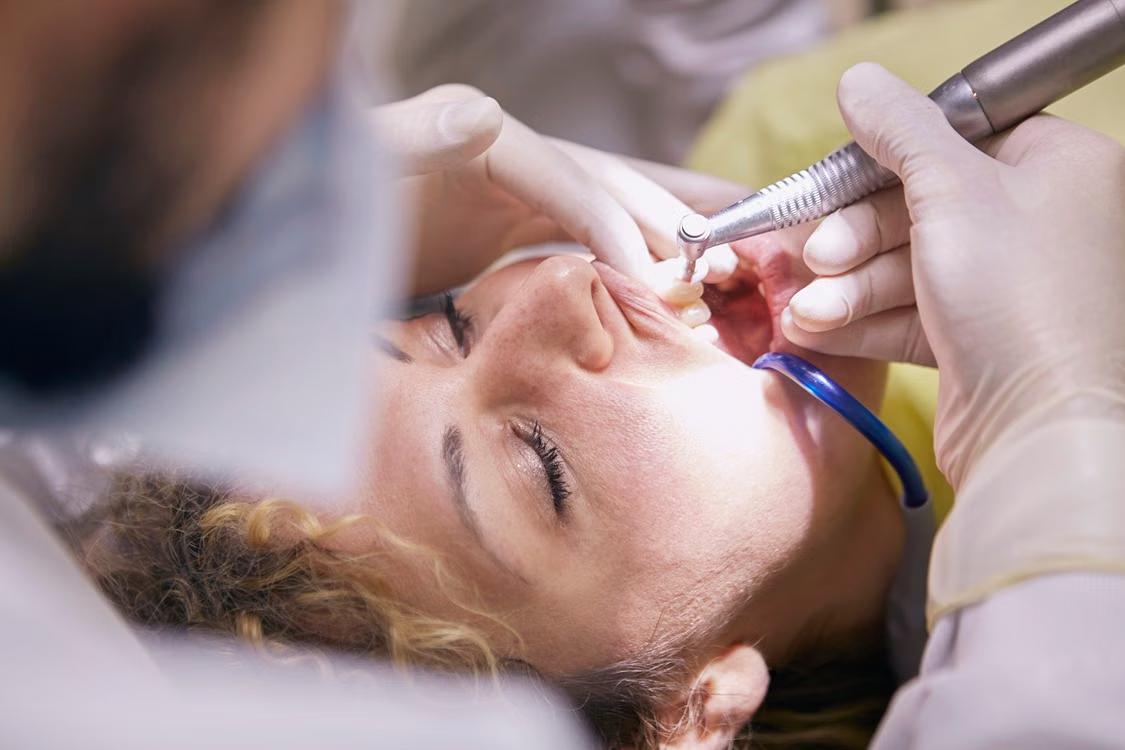
Deep dental cleaning is also known as scaling and root planing. It is typically recommended when plaque, tartar, and bacteria have collected beneath the gumline or when periodontal pockets have developed around the teeth.
During scaling, your dental professional removes hardened deposits from the surfaces of the teeth and from underneath the gums. Root planing involves smoothing the roots of the teeth to remove additional bacterial buildup and create a cleaner surface that may help the gums reattach more closely to the teeth.
Depending on the extent of treatment, your dentist in Bethesda may complete the procedure in one visit or divide the mouth into sections and treat them over multiple appointments. Local anaesthetic may also be used to keep you comfortable during treatment.
What to Expect After Deep Dental Cleaning
Everyone responds differently to periodontal treatment, but some temporary discomfort is normal. Understanding what to expect after deep dental cleaning can help you distinguish typical healing from symptoms that deserve professional attention.
Gum Tenderness and Mild Soreness
Your gums may feel tender for several hours or a few days after scaling and root planing. Because deposits have been removed from beneath the gums, the treated tissues need time to settle and begin healing.
Mild soreness is usually manageable and should gradually improve. Your dentist may provide specific instructions about pain relief based on your individual health history and treatment.
Temporary Tooth Sensitivity
Sensitivity is another common experience after a deep cleaning. Teeth may feel more sensitive to cold drinks, hot foods, sweets, or even air.
This can happen because removing tartar from around the roots exposes areas that were previously covered by deposits. As your gums heal and inflammation decreases, sensitivity will often improve.
Using a toothpaste designed for sensitive teeth may be helpful, but speak with your dental provider if sensitivity becomes severe or continues for an extended period.
Slight Gum Bleeding
A small amount of bleeding while brushing or flossing can occur during the first few days, particularly if your gums were already inflamed before treatment.
Bleeding should gradually decrease as gum health improves. Continuing gentle oral hygiene is important because avoiding the area completely may allow plaque to build up again.
Changes in the Appearance of Your Gums
As inflammation decreases, your gums may appear slightly different. Swollen gum tissue can shrink as it becomes healthier, occasionally making the teeth look slightly longer than before.
Small spaces between teeth may also become more noticeable after tartar deposits are removed. These changes are often associated with reduced swelling rather than damage caused by the cleaning itself.
How Long Does Recovery Take?
For many patients, mild discomfort improves within a few days. Gum healing, however, can continue for several weeks as the tissues respond to treatment.
The recovery timeline depends on factors such as the severity of gum disease, the number of areas treated, your oral hygiene habits, and whether you smoke or have other conditions that may affect healing.
Your dentist may schedule a follow-up appointment to evaluate your gums and measure periodontal pockets. Regular general dentistry visits can also help your dental team monitor changes and prevent plaque and tartar from accumulating again.
Aftercare Tips Following a Deep Dental Cleaning
Taking care of your mouth at home plays an important role in recovery and long-term gum health.
Brush Gently but Consistently
You may be tempted to avoid sensitive areas, but oral hygiene remains essential.
Brush gently with a soft-bristled toothbrush and follow any instructions provided by your dental team.
Aggressive brushing can irritate healing gums, so use light pressure while still cleaning thoroughly.
Continue Flossing Carefully
Flossing removes plaque from between teeth and areas that a toothbrush cannot easily reach. Your gums may initially feel tender, so move the floss carefully rather than snapping it against the gum tissue.
Consistency is important for helping prevent bacteria from rebuilding below the gumline.
Choose Softer Foods Initially
For the first day or two, foods that require heavy chewing may feel uncomfortable.
Consider softer options such as yoghurt, eggs, soups, pasta, mashed vegetables, or smoothies.
Avoid extremely hot, spicy, sticky, or crunchy foods if they irritate the treated areas.
Avoid Tobacco Products
Smoking and other tobacco products can interfere with gum healing and contribute to periodontal disease. Avoiding tobacco during recovery can help give your gum tissue a better opportunity to heal.
Follow Your Dentist’s Instructions
Your dental provider may recommend specific rinses, toothpaste, medication, or follow-up care depending on your periodontal condition. Follow these directions carefully rather than relying on general advice alone.
When Should You Contact Your Dentist?
Some tenderness and sensitivity are expected after treatment, but symptoms should generally improve rather than become progressively worse.
Contact your dentist if you notice severe or increasing pain, significant swelling, persistent bleeding, fever, pus around the gums, or sensitivity that becomes difficult to manage.
If swelling, severe pain, or another concerning dental problem develops suddenly, emergency dental care may be appropriate. Prompt evaluation can help determine whether additional treatment is needed.
It is also important to contact your dental office if you are simply unsure whether a symptom is normal. A quick conversation with your dental team can help clarify whether you need to be examined.

Maintaining Results After Scaling and Root Planing
Knowing what to expect after deep dental cleaning is only one part of protecting your gum health. Long-term results depend heavily on maintaining good oral hygiene and attending recommended dental appointments.
Brush twice daily, clean between your teeth every day, and follow the maintenance schedule recommended by your dentist. Patients with a history of periodontal disease may require professional cleanings more frequently than patients receiving routine preventive care.
Ongoing monitoring allows your dental team to identify renewed inflammation or periodontal pocketing before the condition becomes more difficult to manage.
Recovering from a deep dental cleaning is usually straightforward, but having the right guidance can make the process more comfortable. If you are experiencing lingering sensitivity, gum tenderness, or have questions about your recovery, the team at Bethesda Dental Health can help you understand the next steps.
Bethesda Dental Health is a unique family dental clinic that keeps your privacy and overall health in mind. Our practice is committed to promoting strong dental and oral health through patient education, preventive care, and attentive treatment for patients of all ages. Whether you need routine general dentistry, periodontal care, or guidance from a trusted dentist in Bethesda, MD, our team focuses on helping you protect your smile through informed, personalised care.
Give your gums the attention they deserve. Contact Bethesda Dental Health to schedule a dental evaluation and take the next step towards healthier teeth, healthier gums, and greater confidence in your oral health.