
A severe toothache can make even simple activities like eating, speaking, or sleeping uncomfortable. When an infection is responsible for the pain, getting immediate dental care becomes a priority. Many patients wonder, can a dentist pull an infected tooth the same day, or will they need to wait until the infection clears?
The good news is that dentists can often extract an infected tooth during an emergency appointment. However, several factors influence this decision, including the severity of the infection, the condition of the tooth, and the patient’s overall health.
Understanding how emergency tooth extractions work, when immediate treatment is possible, and what to expect during recovery can help patients make informed decisions about their dental health.
Can a Dentist Pull an Infected Tooth the Same Day?

Yes, in many cases, a dentist can remove an infected tooth during the same appointment. An active infection does not automatically prevent extraction. In fact, removing a severely infected tooth can help eliminate the source of the infection and prevent further complications.
However, the decision depends on the patient’s specific circumstances. An emergency dentist will first examine the affected tooth, evaluate the infection, and determine whether extraction is the safest treatment option.
Same-day extraction may be possible when:
The infected tooth cannot be successfully restored.
The infection is localized and can be treated safely.
The patient is medically stable.
Local anesthesia can provide adequate pain control.
The extraction does not require additional surgical arrangements.
In some situations, a dentist may recommend root canal treatment instead, particularly when the natural tooth can still be saved.
What Causes a Tooth Infection?

A tooth infection develops when bacteria enter the inner tissues of a tooth or affect the surrounding supporting structures. The infection may eventually lead to an abscess, a painful collection of pus that develops near the tooth root or gums.
Several dental problems can contribute to infections.
Deep Tooth Decay
Untreated cavities allow bacteria to penetrate the protective enamel and dentin. When decay reaches the pulp, which contains nerves and blood vessels, infection may develop.
Cracked or Broken Teeth
A fracture can create an opening for bacteria to enter the tooth. Even a small crack may eventually cause complications if left untreated.
Advanced Gum Disease
Severe periodontal disease can damage the gums and supporting bone, sometimes resulting in infections around the tooth roots.
Previous Dental Trauma
An injury can damage the pulp and its blood supply, potentially leading to infection months or years later.
Common symptoms include persistent toothaches, swollen gums, pain while chewing, facial swelling, and an unpleasant taste in the mouth. These symptoms should prompt a timely dental evaluation.
What Does a Dentist Evaluate Before an Emergency Extraction?
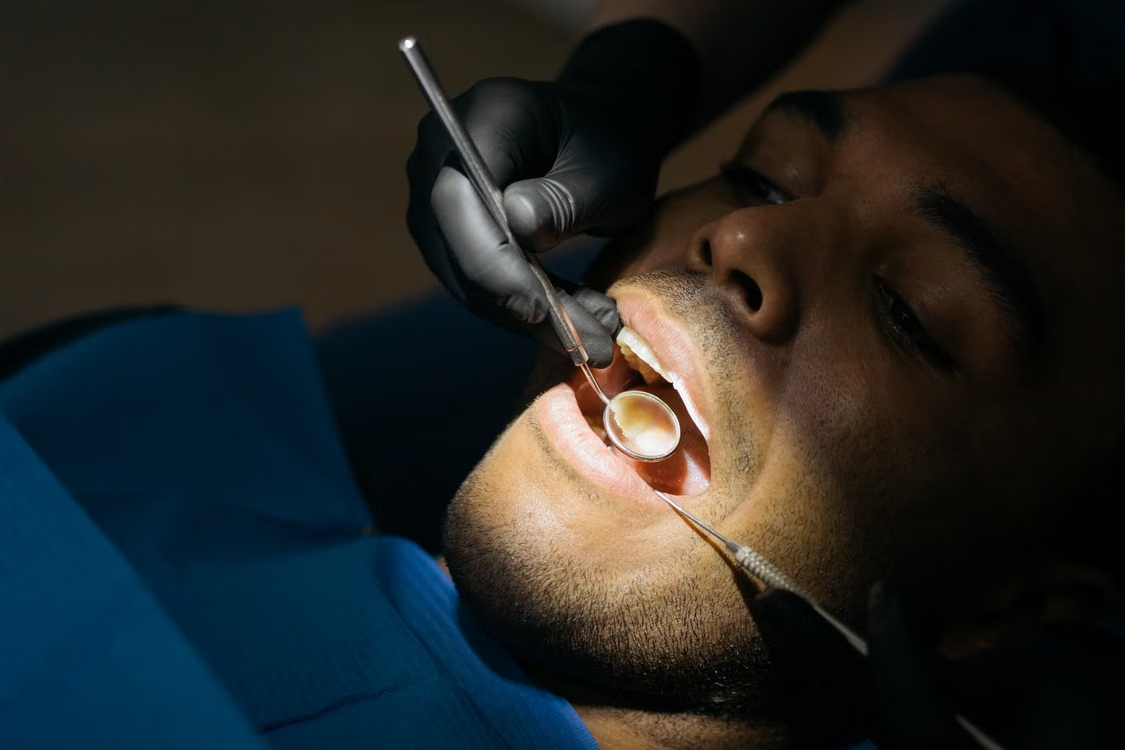
Before recommending tooth extractions, dentists carefully assess several important factors to ensure the procedure can be performed safely.
1. Severity and Spread of the Infection
The dentist examines the affected tooth and surrounding tissues to determine whether the infection is localized or spreading.
Localized infections can often be treated immediately. However, extensive facial swelling or signs of infection spreading into deeper tissues may require additional intervention.
2. Dental X-Rays
X-rays provide valuable information about the position of the tooth roots, surrounding bone, and extent of dental damage.
They also help identify potential complications that could make an extraction more difficult.
3. Medical History
Certain medical conditions and medications can influence dental treatment.
Patients taking blood-thinning medications or managing conditions that affect healing may require additional precautions. The dentist reviews medical history before deciding how to proceed.
4. Condition of the Tooth
A badly decayed tooth, fractured root, or severely damaged supporting structure may require a more complicated extraction.
In some cases, referral to an oral surgeon may be necessary.
Experienced dentists in Bethesda can evaluate these factors and recommend appropriate treatment based on the patient’s dental and medical needs.
When Might an Infected Tooth Not Be Removed Immediately?
Although same-day extraction is often possible, certain circumstances may require a different approach.
Severe or spreading infection: Extensive swelling, fever, or other signs of systemic illness may require urgent medical assessment, drainage, antibiotics, or hospital-based treatment.
Difficulty achieving numbness: Inflamed tissues can sometimes make local anesthesia less effective. Additional anesthetic techniques may be necessary to manage discomfort.
Complex extraction requirements: Teeth with unusual root structures, extensive fractures, or complicated positioning may require specialized surgical care.
Underlying medical concerns: Certain uncontrolled medical conditions may require stabilization or coordination with another healthcare professional before extraction.
Importantly, delaying extraction does not mean ignoring the infection. Dentists may provide alternative urgent treatment to address the immediate problem.
Do You Need Antibiotics Before Pulling an Infected Tooth?
Many patients assume they must take antibiotics for several days before an infected tooth can be removed. However, this is not always necessary.
Antibiotics do not automatically eliminate the source of a dental infection. When an infected tooth cannot be saved, extraction may be the most effective way to remove that source.
According to the American Dental Association, dental procedures such as drainage, root canal treatment, or extraction are generally prioritized over antibiotics for most localized dental infections.
However, antibiotics may be appropriate when patients experience fever, systemic illness, spreading infection, or certain additional medical risks.
Your dentist will determine whether medication is necessary before or after the procedure.
Aftercare Tips Following an Infected Tooth Extraction
Proper aftercare is essential for protecting the extraction site and reducing complications.
During the first 24 hours, patients should:
Bite gently on gauze as instructed to manage bleeding.
Avoid drinking through straws or spitting forcefully.
Eat soft foods such as yogurt, mashed potatoes, or scrambled eggs.
Avoid smoking and tobacco products.
Refrain from strenuous physical activity.
Take prescribed medications according to the dentist’s instructions.
After the first 24 hours, gentle warm saltwater rinses may be recommended to keep the area clean.
Avoid touching the extraction site with your fingers or tongue, as this could disturb the developing blood clot.
Although mild discomfort is expected, worsening pain, persistent bleeding, fever, or increasing swelling should be reported to your dentist.
At Bethesda Dental Health, we believe quality dentistry begins with understanding each patient’s needs. As a family-focused dental clinic, we prioritize your privacy, comfort, and overall well-being while providing personalized care for patients of all ages.
Our approach emphasizes patient education, preventive dentistry, and thoughtful treatment recommendations to help individuals and families maintain healthier smiles. We are dedicated to delivering excellent dental care and a positive experience at every visit.
Don’t let persistent tooth pain disrupt your life. Contact Bethesda Dental Health today to schedule a dental evaluation and find out whether same-day treatment is the right option for you.